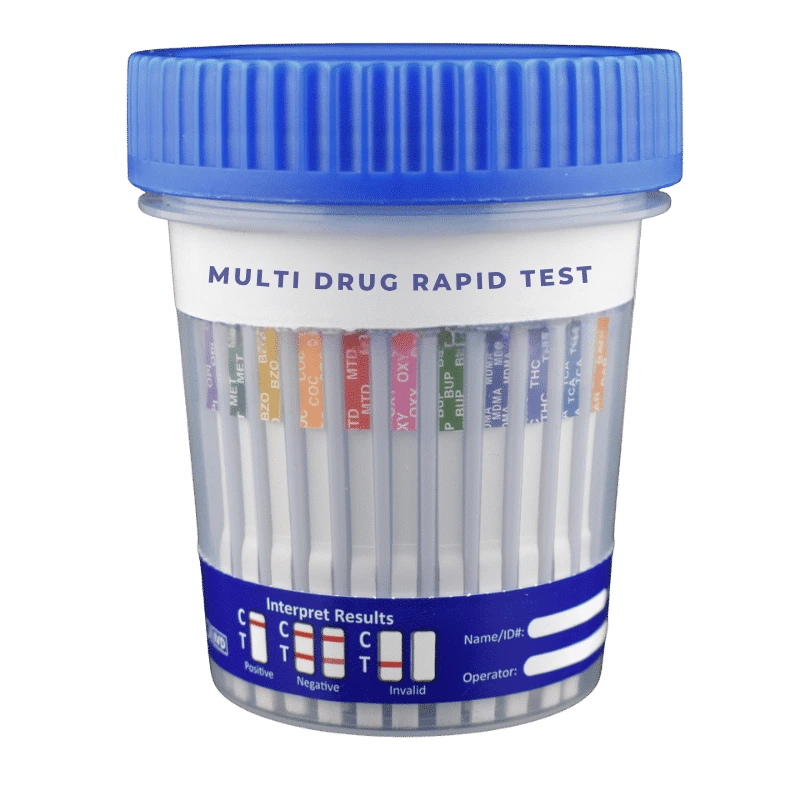

COA vs SDS: Lot Checks and 16 SDS Sections for Lab Buyers
A COA proves a specific lot’s analytical quality; an SDS communicates hazards and how to handle the material safely. When you buy or run an experiment, request the COA to confirm purity, concentration and impurities for your exact lot. Before the container is opened, read the SDS to set protective equipment, storage and emergency steps.
TL;DR:
- A credible COA names the assay method, reports measurement uncertainty, and links results to a higher order reference; prefer certified values for high precision work.
- At delivery, match the COA lot number to the container label and file it with lot records; a prior batch document cannot verify today’s material.
- Check the SDS revision date in Section 16, then keep the current copy accessible to every worker on every shift, not locked in an office.
- For analytical audits, retain the manufacturer’s COA with each reagent lot and keep the current SDS on file to document traceability and hazard communication.
Table of Contents
- What a certificate of analysis tells you about your lot
- Why the 16 sections of a safety data sheet matter
- COA vs SDS at a glance
- When to request a COA and when to consult the SDS
- How to check whether a COA is credible
- How both documents fit into procurement, QA and safety
- Why I chase the COA first and the SDS second
- How we help you document your reagent purchases
- FAQ
- Sources
What a certificate of analysis tells you about your lot
A certificate of analysis (COA) confirms that a specific batch of a chemical or material was tested and meets pre-defined quality or purity specifications. It typically lists properties such as concentration, purity and impurities, and sometimes method details. Because it describes one batch, a COA from last year’s lot says nothing reliable about the lot on your bench.
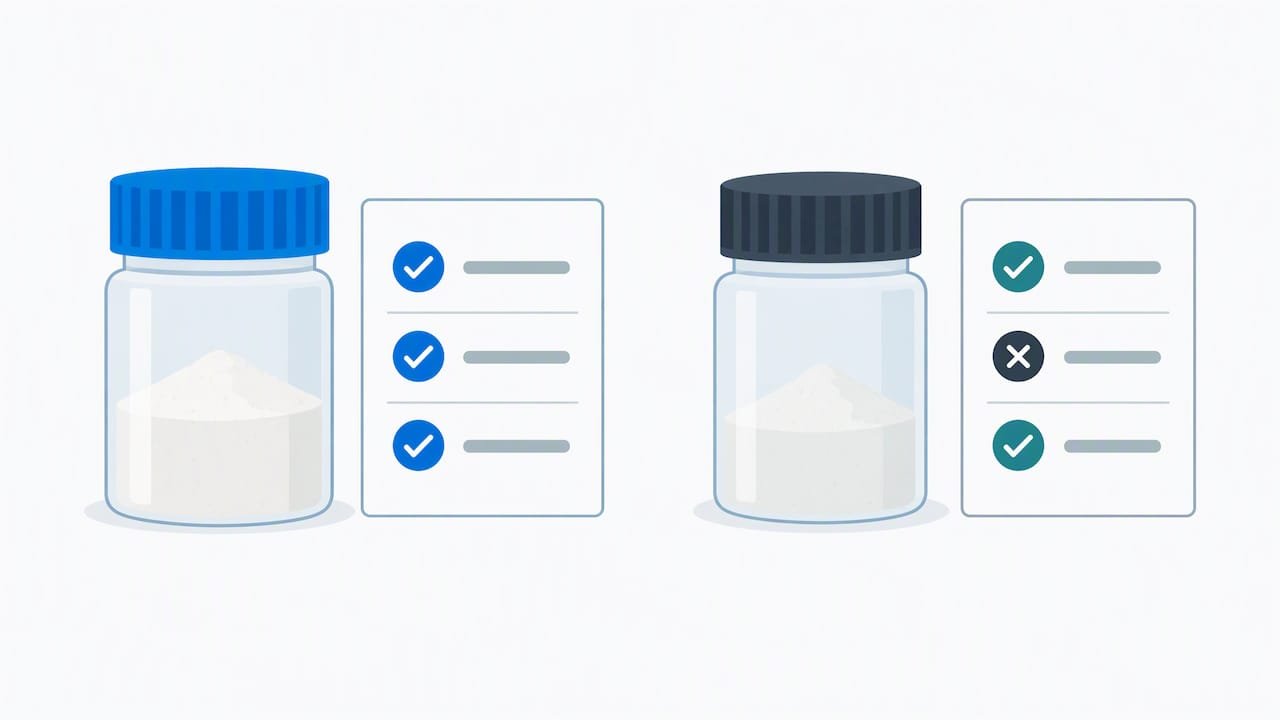
Certified reference materials add another layer. NIST separates certified values, which carry a stated uncertainty, from non-certified ones, so a good COA should say which kind it reports. For high-precision work, metrological traceability to the SI is what makes results comparable between labs.
When you open a COA, check these items:
- The batch or lot number matches your container label.
- The assay method is named, not just the result.
- Measurement uncertainty is reported for key values.
- A traceability statement links the values to a higher-order reference.
Pro Tip: Photograph the container label next to the COA at receiving, so the lot match is documented the day the material arrives.
Why the 16 sections of a safety data sheet matter
A safety data sheet (SDS) is the product-wide hazard document. Under the Hazard Communication Standard (29 CFR 1910.1200), OSHA requires manufacturers and importers to supply a standardized 16-section SDS for hazardous chemicals. Sections 1 to 11 and 16 are mandatory. OSHA aligned the format with GHS so workers can find what they need quickly, including during an emergency, and the change from MSDS to SDS was meant to reduce confusion.
You will use a few sections far more than the rest:
- Hazard identification: classification, signal words and pictograms.
- First-aid measures: what to do after exposure, before help arrives.
- Handling and storage: incompatibilities, temperature limits and container requirements.
- Exposure controls and PPE: gloves, eye protection and ventilation.
- Toxicological information: the health effects behind the warnings.
- Section 16: includes the revision date, so you can tell whether your copy is current.
Employers carry the duty to keep SDSs accessible to every worker on every shift and to update them when significant new hazard information appears. A binder locked in an office does not meet that goal.
COA vs SDS at a glance
- Purpose: the COA verifies quality; the SDS communicates hazards.
- Scope: the COA covers one batch; the SDS covers the product’s hazard profile in general.
- Content: the COA reports measured values such as purity and impurities; the SDS reports classification, handling, PPE, first aid and emergency measures.
- Issuer and timing: the supplier or manufacturer issues both. Ask for the SDS at ordering, and expect the COA to match the lot you actually receive.
- Immediate action for buyers: request the COA for anything that affects your data. Confirm the lot number when the shipment lands.
- Immediate action for lab staff: read the SDS before first use and keep it within reach of the bench.
EPA guidance treats them as different documents with different jobs: SDSs for hazard communication, COAs as evidence of purity and traceability in data validation and lab QA.
When to request a COA and when to consult the SDS
Think in three stages: ordering, receiving and auditing.
- At order time: ask for the COA specifications that could change your results, such as purity grade or concentration. Request the SDS at the same time, so you can confirm you can store and handle the material safely before it ships.
- On arrival: compare the COA batch number with the container label. File the COA with your lot records and make the SDS available to everyone who will touch the material.
- During audits and validation: keep both on file. EPA guidance indicates that manufacturer COAs may be required to document traceability for standards used in analytical work, while SDSs show hazard communication is in place.
How to check whether a COA is credible
A COA is evidence, not proof, so read it critically. Metrology experts advise that holding a COA is not enough: look for a clear link to a higher-order reference system. If a traceability statement is missing, treat the document as less rigorous for high-precision research.
- Confirm the lot number matches the product and the method used is stated.
- Look for measurement uncertainty next to the reported values.
- Prefer certified reference materials when metrological traceability matters.
- If details are thin, ask the supplier for method information or third-party testing.
Practical lab checks help too. This peptide COA walkthrough shows lot-specific verification steps that apply well beyond peptides.
Pro Tip: If a supplier cannot explain how a purity figure was measured, treat the figure as unverified until they can.
How both documents fit into procurement, QA and safety
Each document needs an owner. A simple split works for most labs:
- Procurement: requests the COA and SDS together on every purchase order.
- QC or the lab manager: files the COA in lot records and cites it in experimental records. Experienced lab managers file COAs in procurement and QA records, because COAs support auditing experimental validity.
- Safety officer: maintains SDS access for all personnel on every shift. The same lab-manager guidance describes SDSs as the tool for immediate safety and emergency response.
- Auditors and validation reviewers: expect to see the COA behind each reagent lot and the current SDS for each hazardous material.
Reagent quality also shapes results downstream, as our guide to analyzing assay data for reproducible results explains.
Why I chase the COA first and the SDS second
My priority list is short. Get a COA for anything that affects your data, and check the batch number the day the box arrives. File it with your lot records. Keep every SDS where any staff member can reach it without asking permission. And when your work demands analytical rigor, ask suppliers for the method, the uncertainty and the traceability statement, not just a purity percentage.
— Alina
How we help you document your reagent purchases
When you order research reagents from us, you can contact us with questions. Our US-based support team can help with questions about the items you are considering. Browse our research reagent catalog to find your product, then contact us with the product name and lot so we can point you to the right paperwork.

FAQ
What is a COA for chemicals?
A COA is a document that confirms a specific batch of a chemical was tested against set quality or purity specifications. It usually lists measured properties such as concentration, purity and impurities. Always match its lot number to your container.
Are MSDS called SDS now?
Yes. OSHA standardized the format as a 16-section SDS, aligned with GHS, replacing the older MSDS layout. The change was meant to help workers find safety information quickly.
What does a COA certificate mean?
It means the supplier tested that lot and reports results against stated specifications. How much confidence it deserves depends on whether it names the method, reports uncertainty and includes a traceability statement.
What is the difference between TDS and COA?
A technical data sheet describes a product’s general specifications and typical properties. A COA reports measured results for one lot. Use the TDS to choose a product and the COA to verify the one you received.