CLIA-Waived Drug Test Cups: A Buyer’s Guide for US Programs
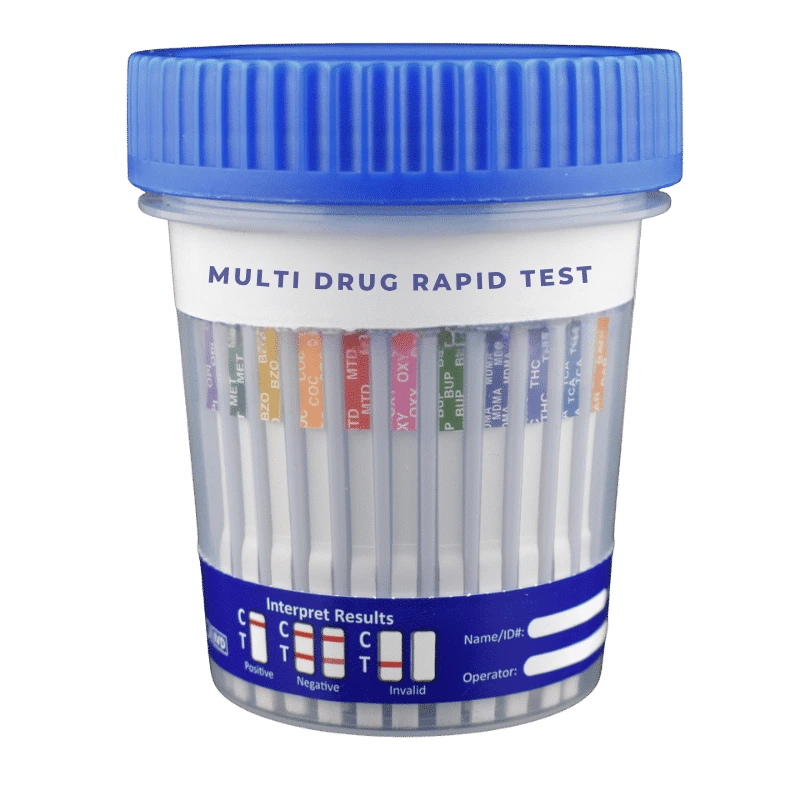
What a CLIA waived drug test cup is, what it detects, when you need a certificate, and which cups are waived versus forensic use only. A guide for US programs.

What a CLIA waived drug test cup is, what it detects, when you need a certificate, and which cups are waived versus forensic use only. A guide for US programs.
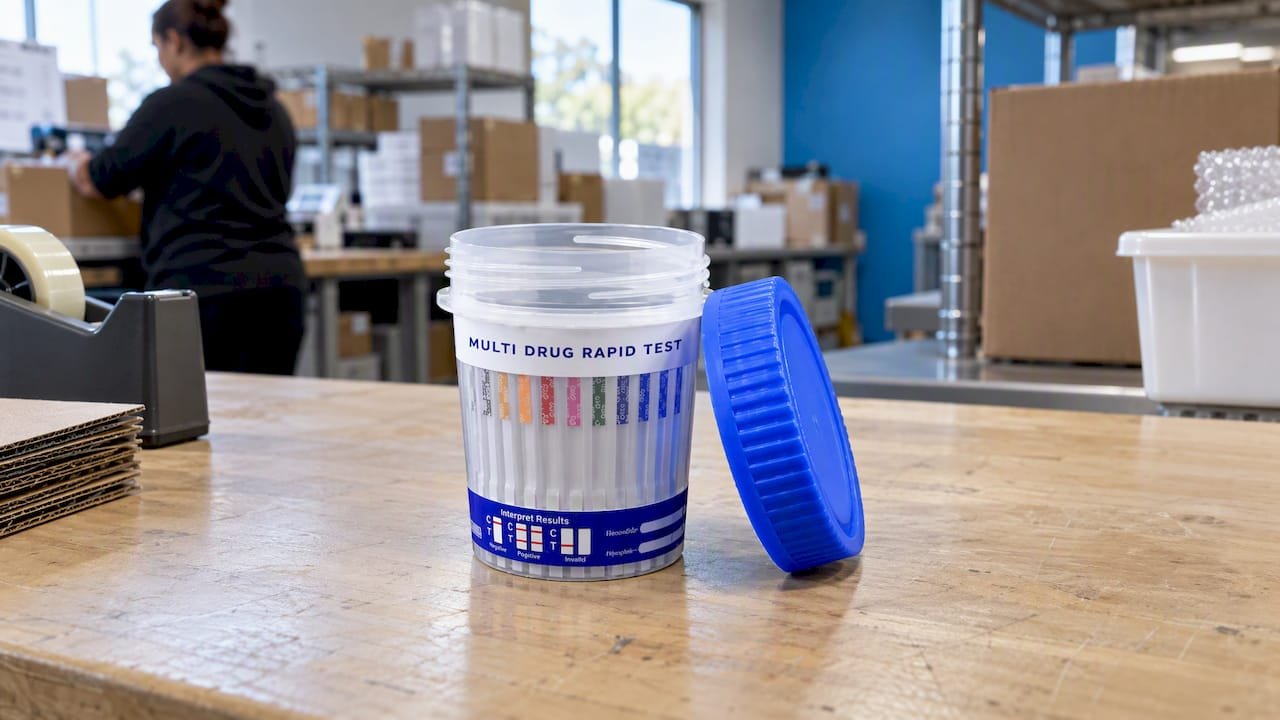
What a 16 panel drug test screens for, how to read results, cutoffs, detection windows, and what to check before buying 16-panel urine cups in bulk.
How long PCP stays in urine: the 4 to 6 hour start, the 7 to 14 day guideline, what changes the window, false positives, and why positives need lab confirmation.
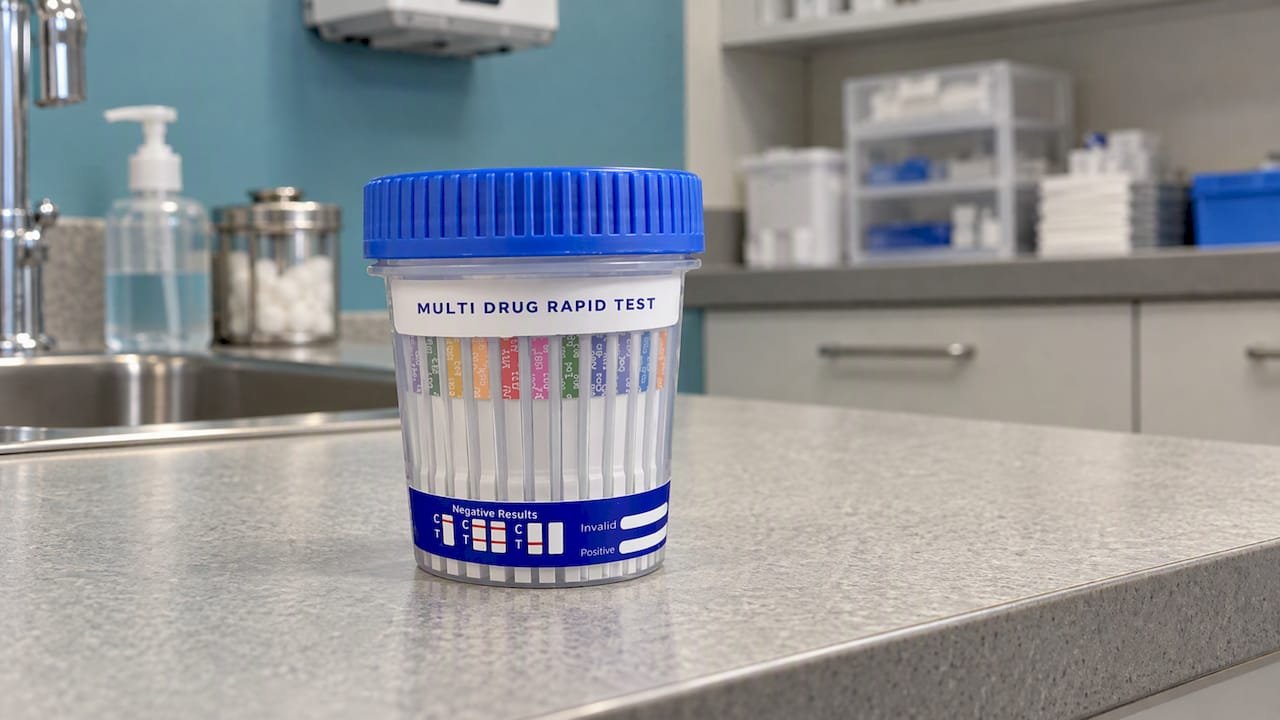
See the full 14 panel drug test list: each substance, its abbreviation, what the panel can’t tell you, and how it differs from 12- and 13-panel tests.
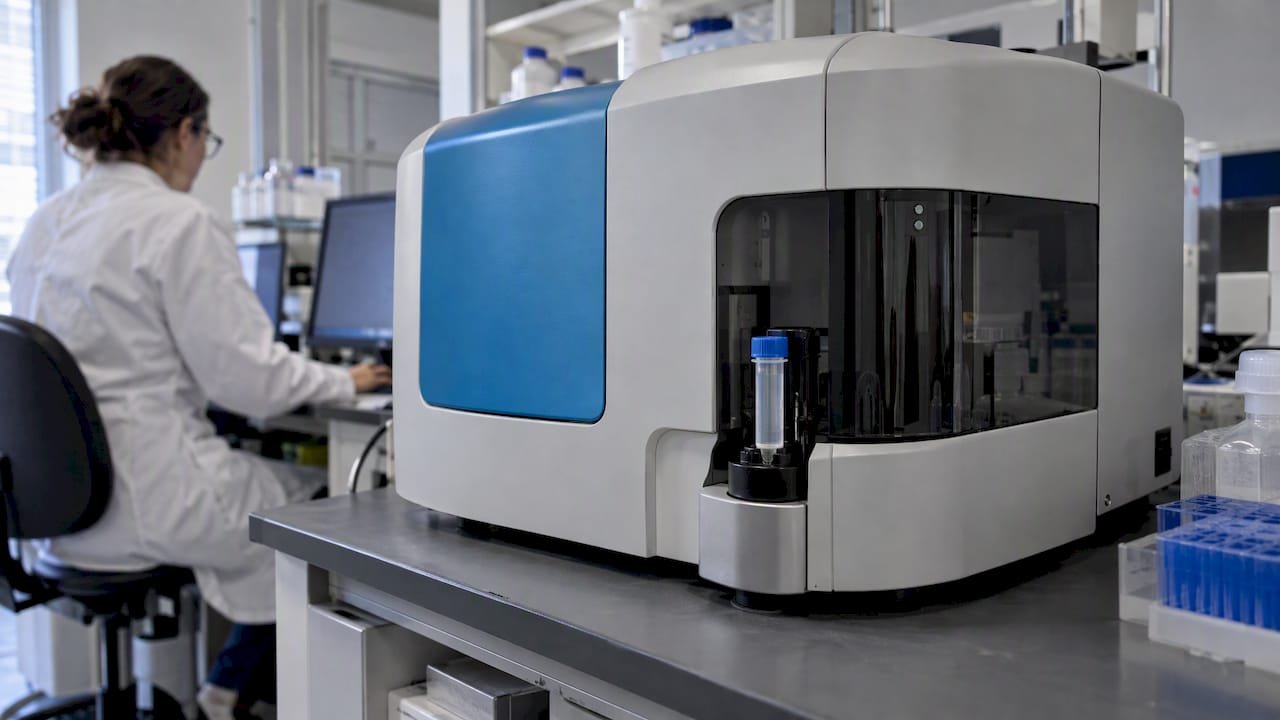
How flow cytometry detects exosomes and other extracellular vesicles: sample prep, labeling, calibration, controls and limits, plus when to use nanoscale cytometers.
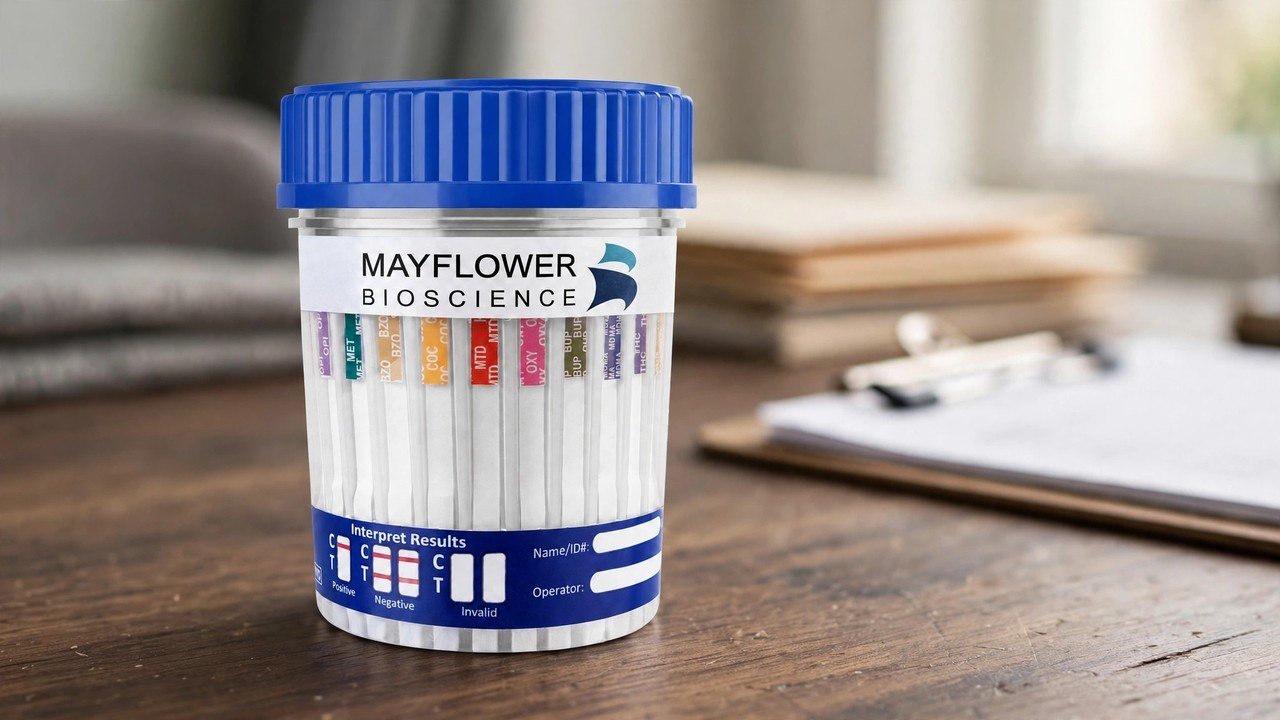
A drug court drug testing program is the accountability engine of the drug court model: frequent, random, observed urine screening — typically 2 to 3 times per week in early phases — paired with laboratory confirmation before sanctions, and structured so that each result feeds a graduated system of sanctions and incentives. This guide explains
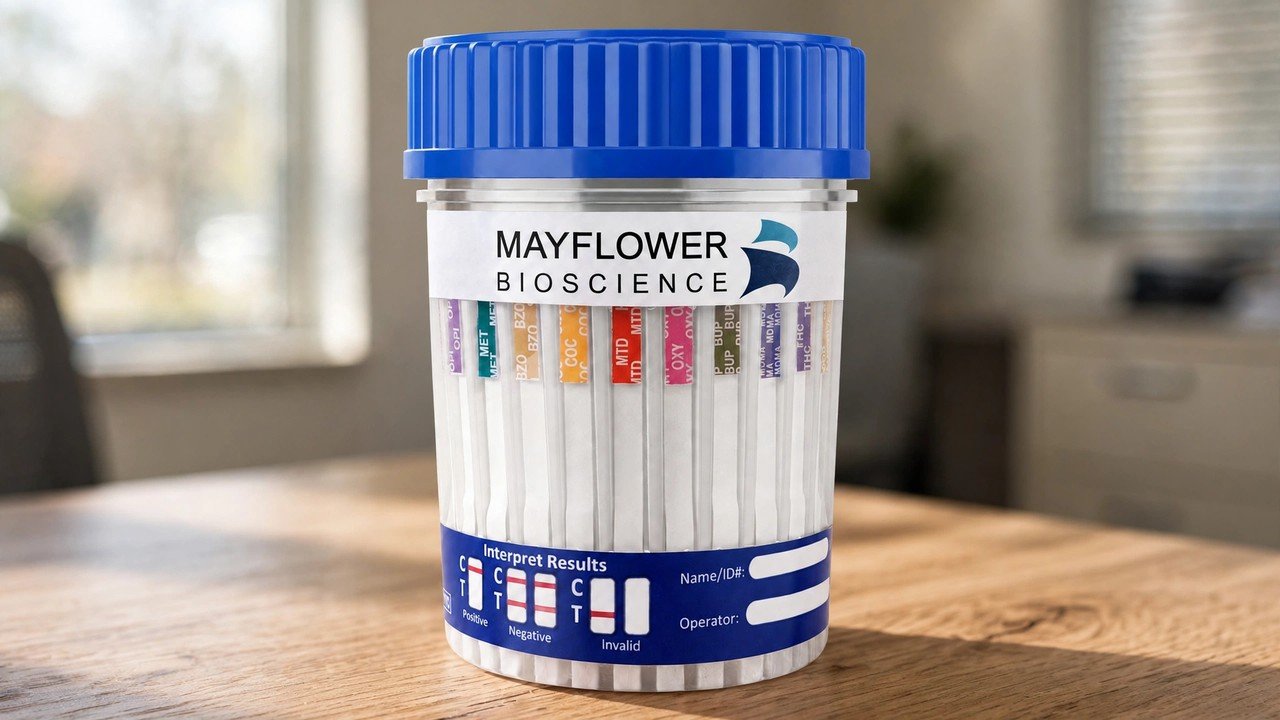
Probation drug testing is usually directly observed urine testing on a 5-panel to 12-panel drug screen, repeated randomly throughout supervision — and a failed screen goes first to the probation officer, not straight to jail. Most probation departments screen the five federal drug classes (marijuana, cocaine, amphetamines, opiates, PCP), and many have moved to 10-panel
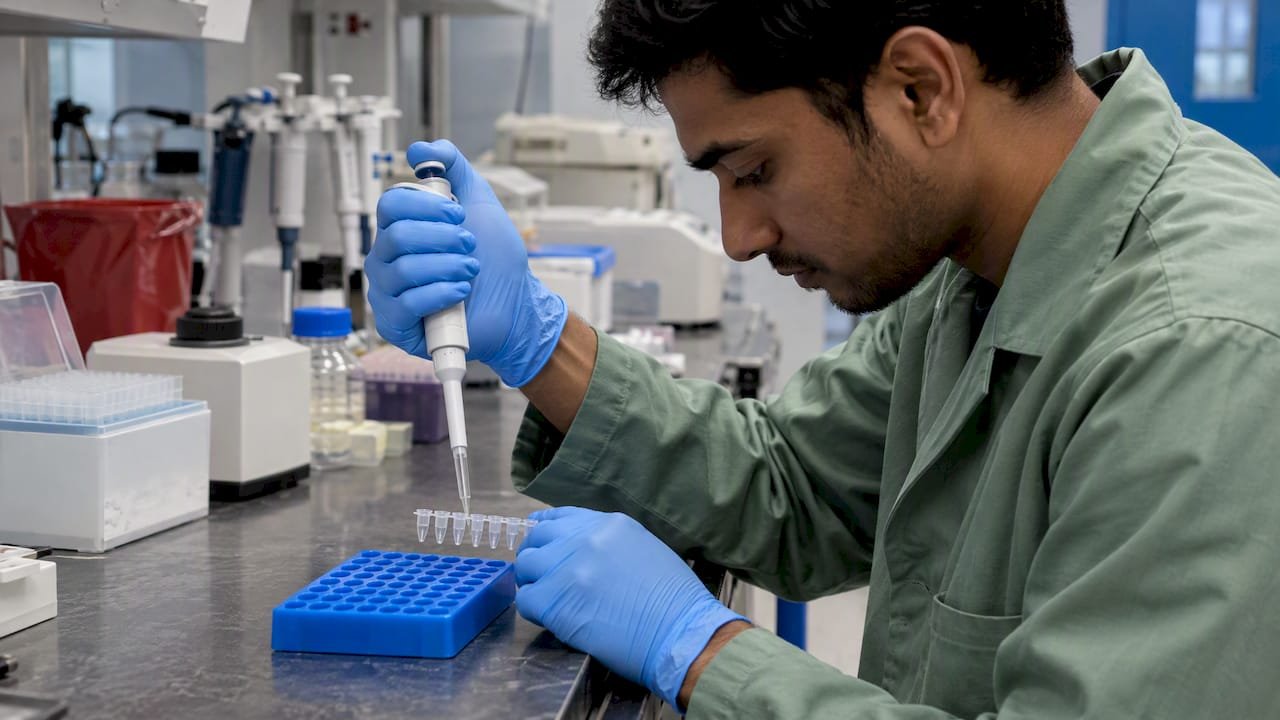
How uracil-N-glycosylase and dUTP stop PCR carryover: the mechanism, setup steps, enzyme handling, limits, and the lab controls that must sit beside it.
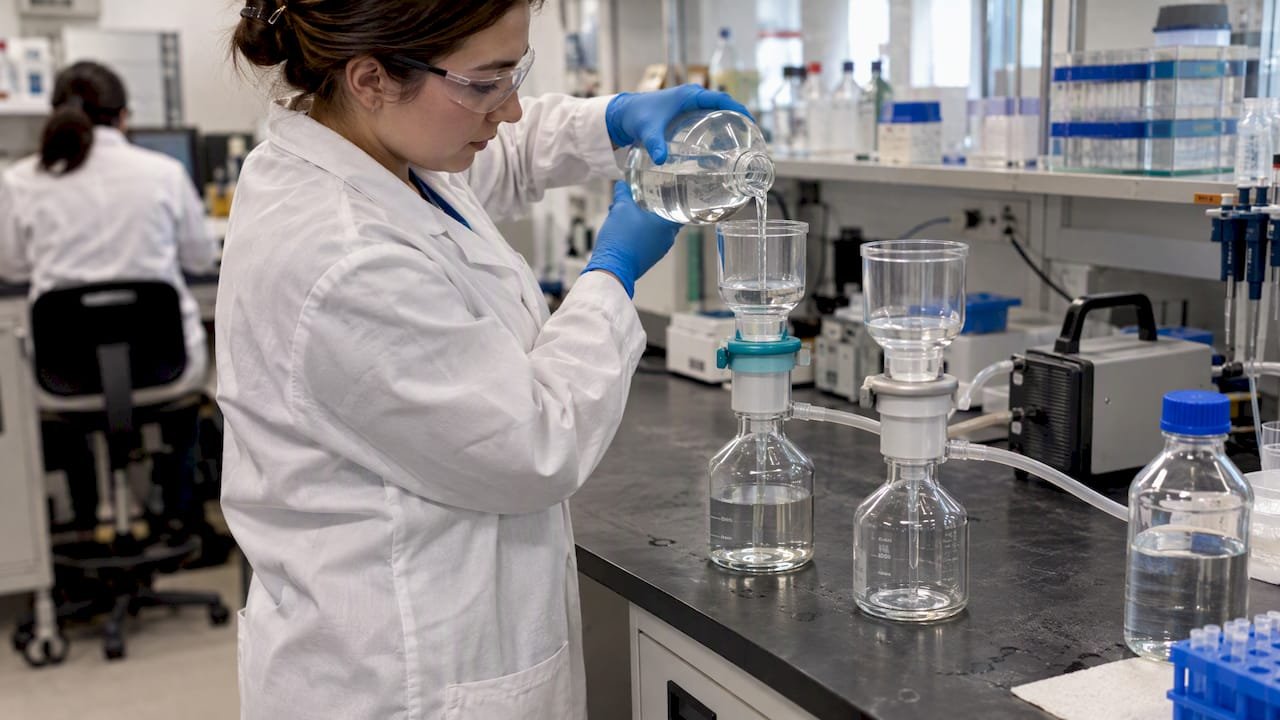
0.22 µm sterilizes, 0.45 µm clarifies. See when each pore size is right, when to stack them, and where each one fails, from lentivirus to buffers.
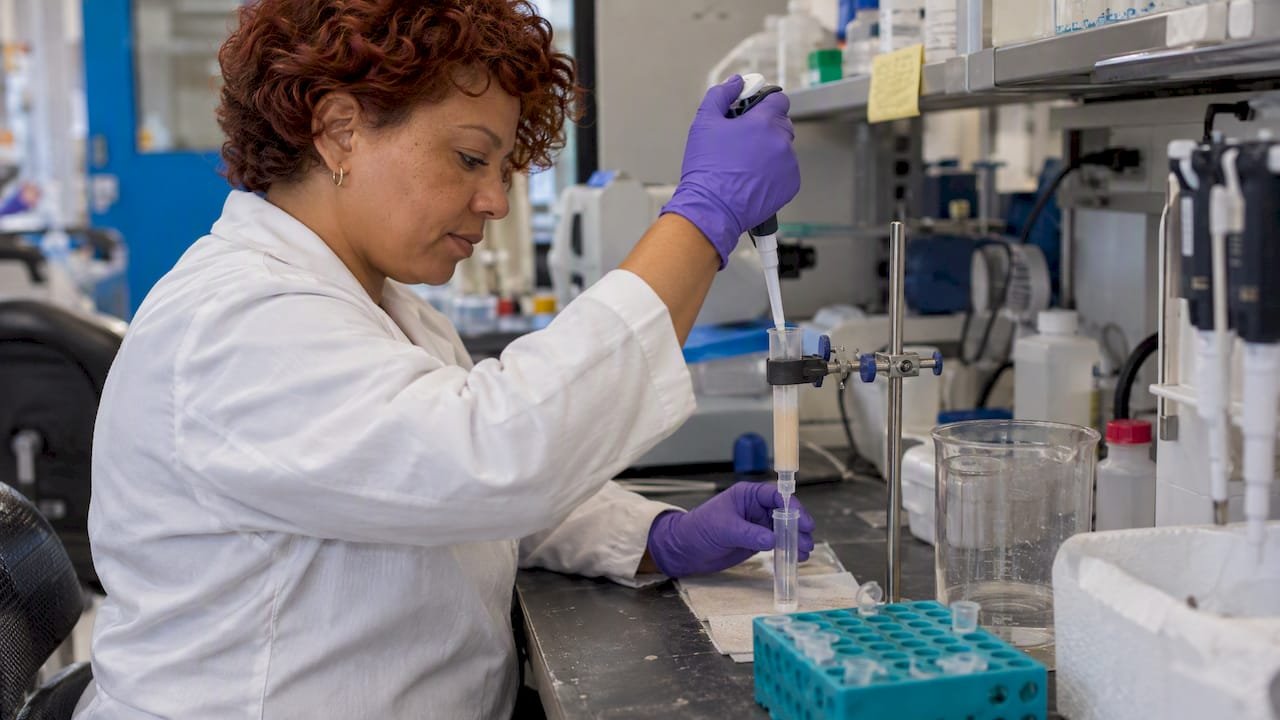
What cross-adsorbed secondary antibodies are, how cross-adsorption works, when you need highly cross-adsorbed ones, and how to validate them in your assay.