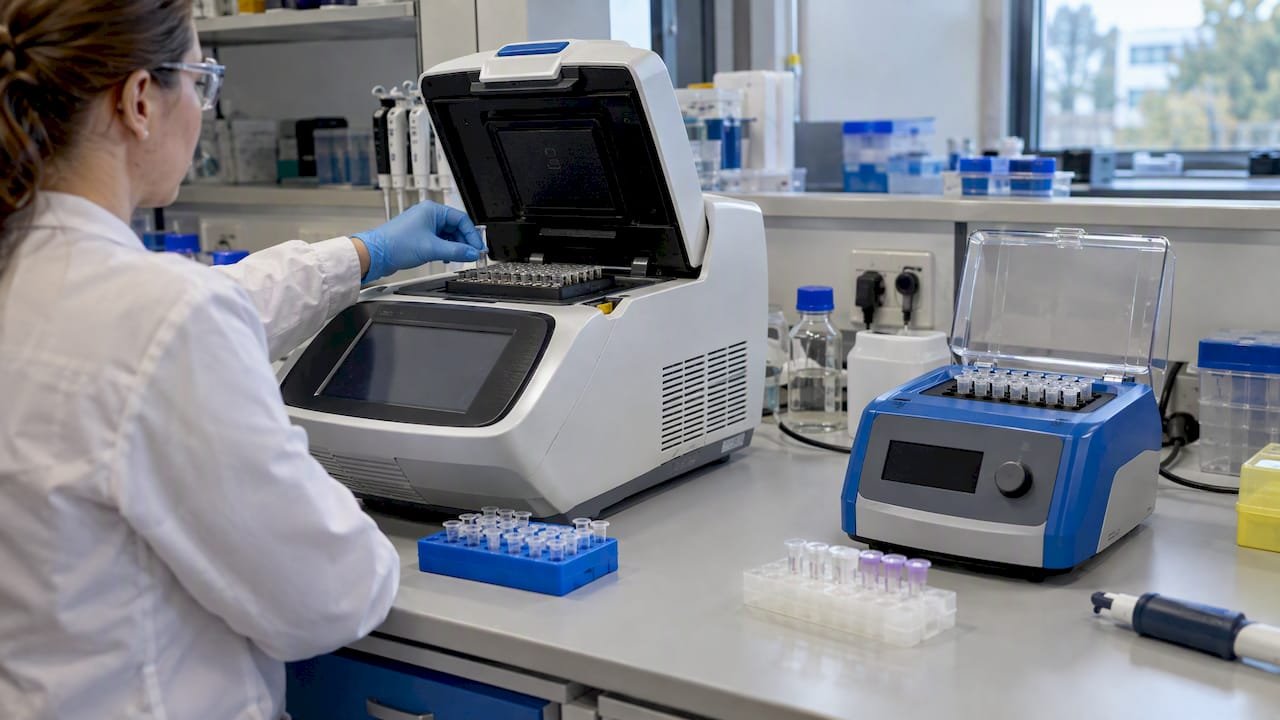
PCR vs. Isothermal Amplification: How to Choose
PCR or isothermal amplification (LAMP, RPA)? Compare speed, sensitivity, equipment, inhibitors and quantification, plus how to build a qPCR standard curve.

PCR or isothermal amplification (LAMP, RPA)? Compare speed, sensitivity, equipment, inhibitors and quantification, plus how to build a qPCR standard curve.
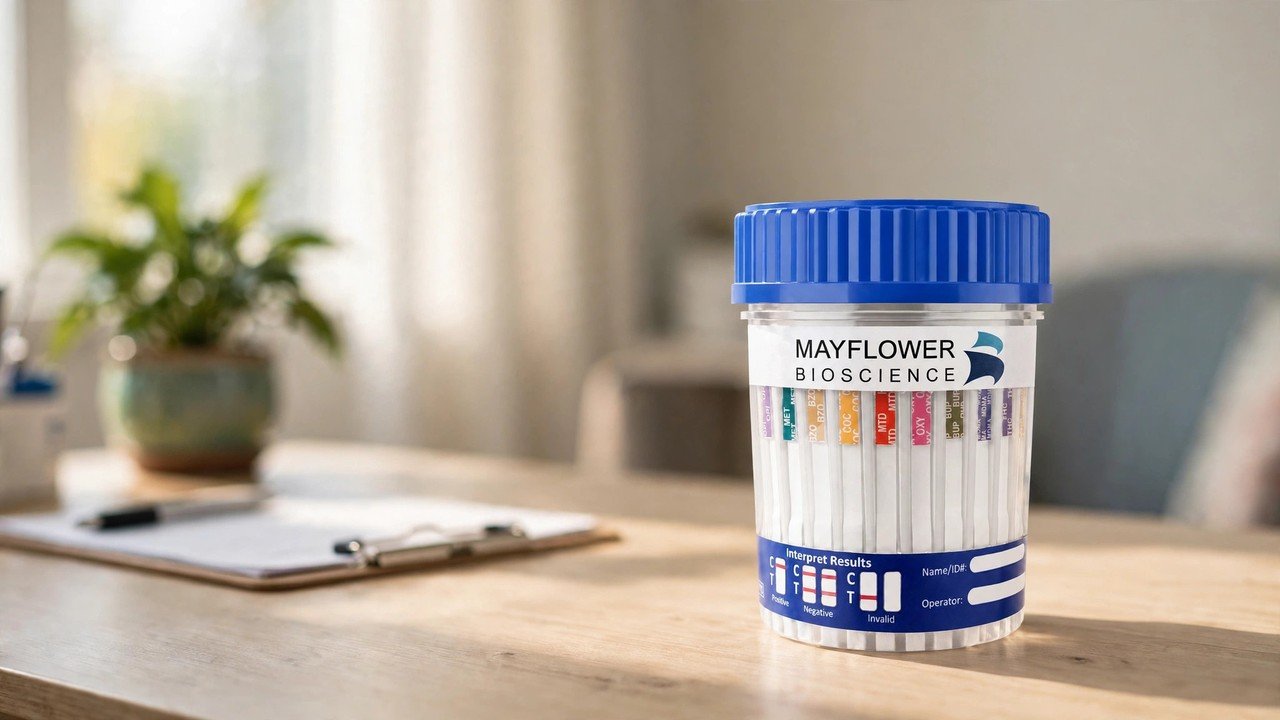
Does Kratom Show Up on a Drug Test? No — kratom does not show up on a standard drug test. Standard 5, 10, 12 and 14 panel tests do not screen for kratom at all. Kratom is detected only when a test carries a dedicated kratom (KRA) strip that targets mitragynine — the main active
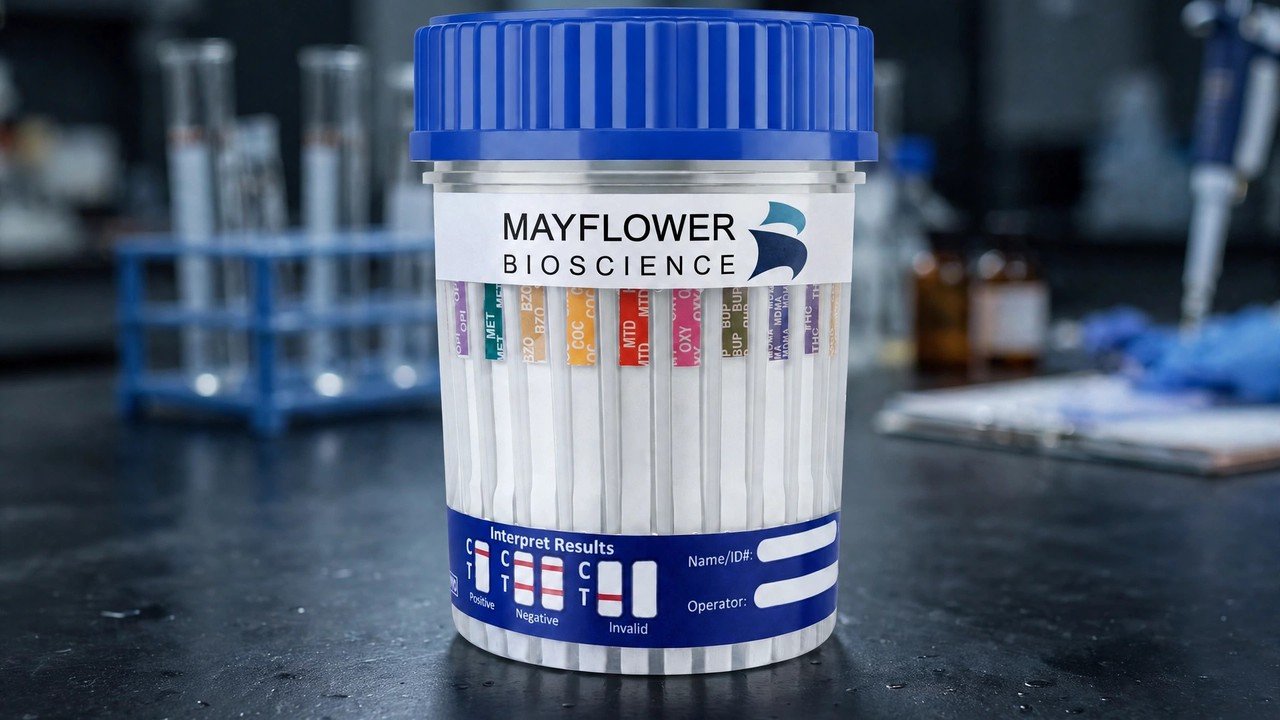
Which Drug Test Panels Include Fentanyl? Fentanyl is included only in expanded drug test panels — at MayFlower, the 12 panel, 14 panel and 16 panel cups each carry a dedicated fentanyl (FEN) strip; standard 5 and 10 panel cups do not test for fentanyl at all. That single fact drives panel selection for treatment
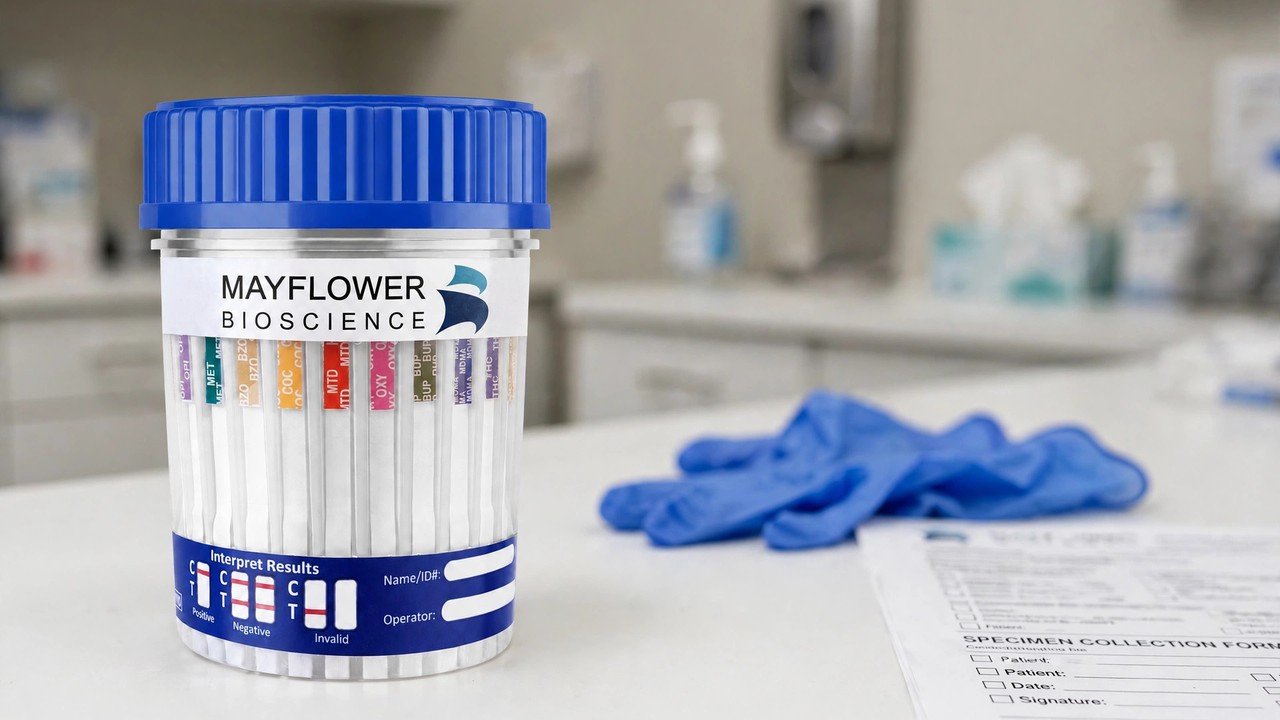
What Does a 5 Panel Drug Test Test For? A 5 panel drug test screens one urine specimen for the five foundational drug groups — amphetamines, cocaine, marijuana (THC), opiates, and PCP. It is the original workplace panel: the five groups the federal government standardized for employee testing, and still the baseline configuration for DOT-regulated
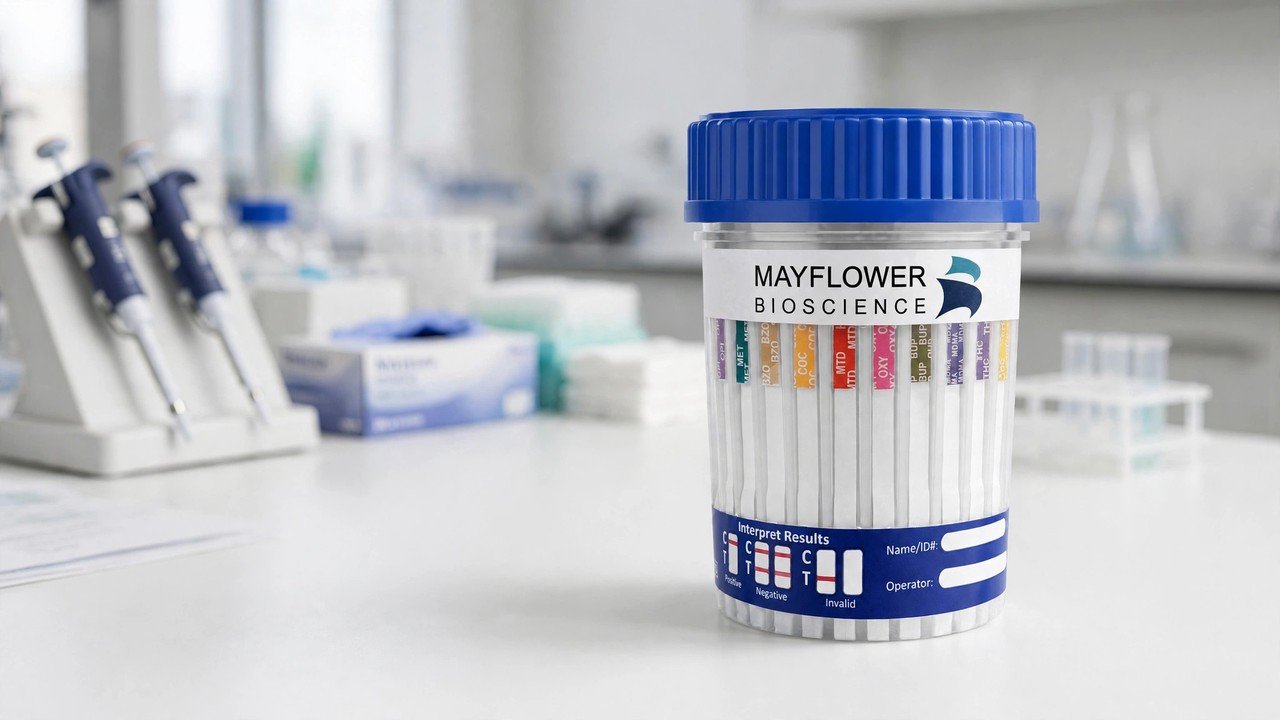
What Does a 10 Panel Drug Test Test For? A 10 panel drug test screens one urine specimen for 10 drug classes at the same time — amphetamine, methamphetamine, MDMA, cocaine, THC (marijuana), opiates, methadone, benzodiazepines, barbiturates, and PCP. It doubles the classic 5-panel by adding five more drug groups, which is why it became
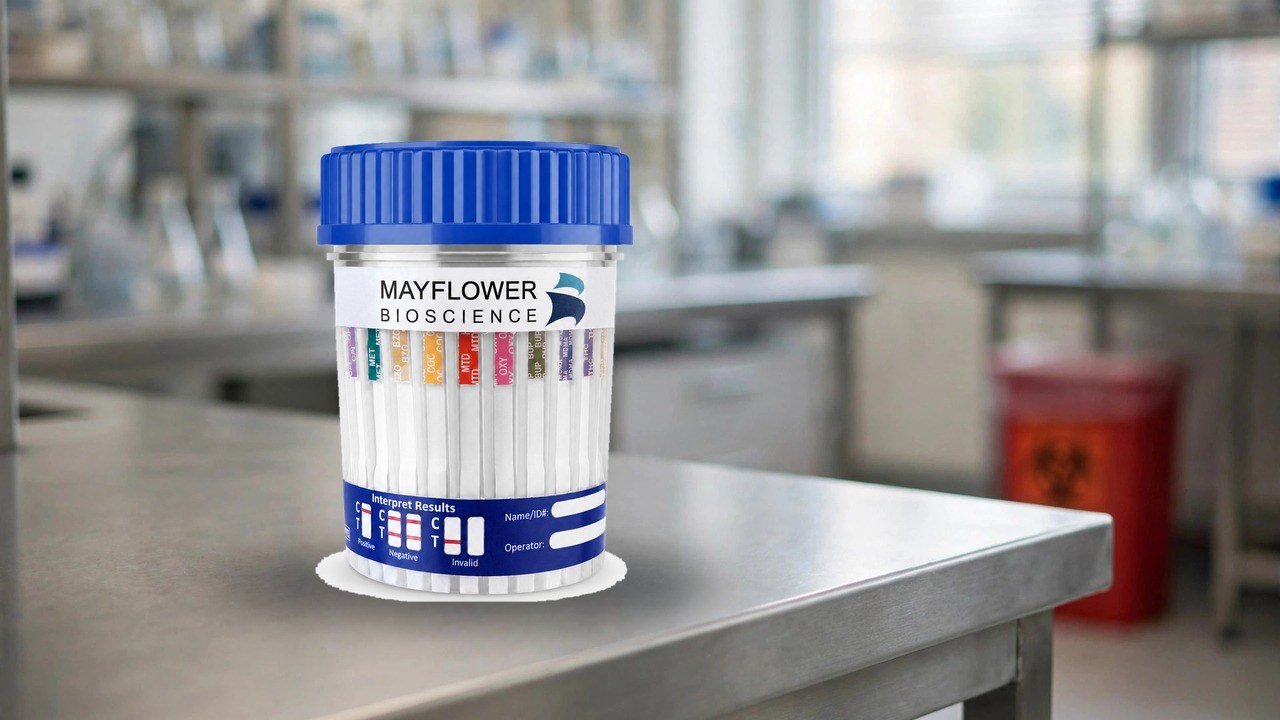
What Does a 14 Panel Drug Test Test For? A 14 panel drug test screens one urine specimen for 14 drug classes and metabolites at the same time — amphetamine, methamphetamine, MDMA (ecstasy), cocaine, THC (marijuana), opiates, oxycodone, buprenorphine, methadone, benzodiazepines, barbiturates, PCP, fentanyl, and ETG (alcohol metabolite). Each panel has its own screening cutoff

Dry or wet swab? Compare performance, transport media, swab tips and nasal, saliva and nasopharyngeal sampling so your lab picks the right collection method.
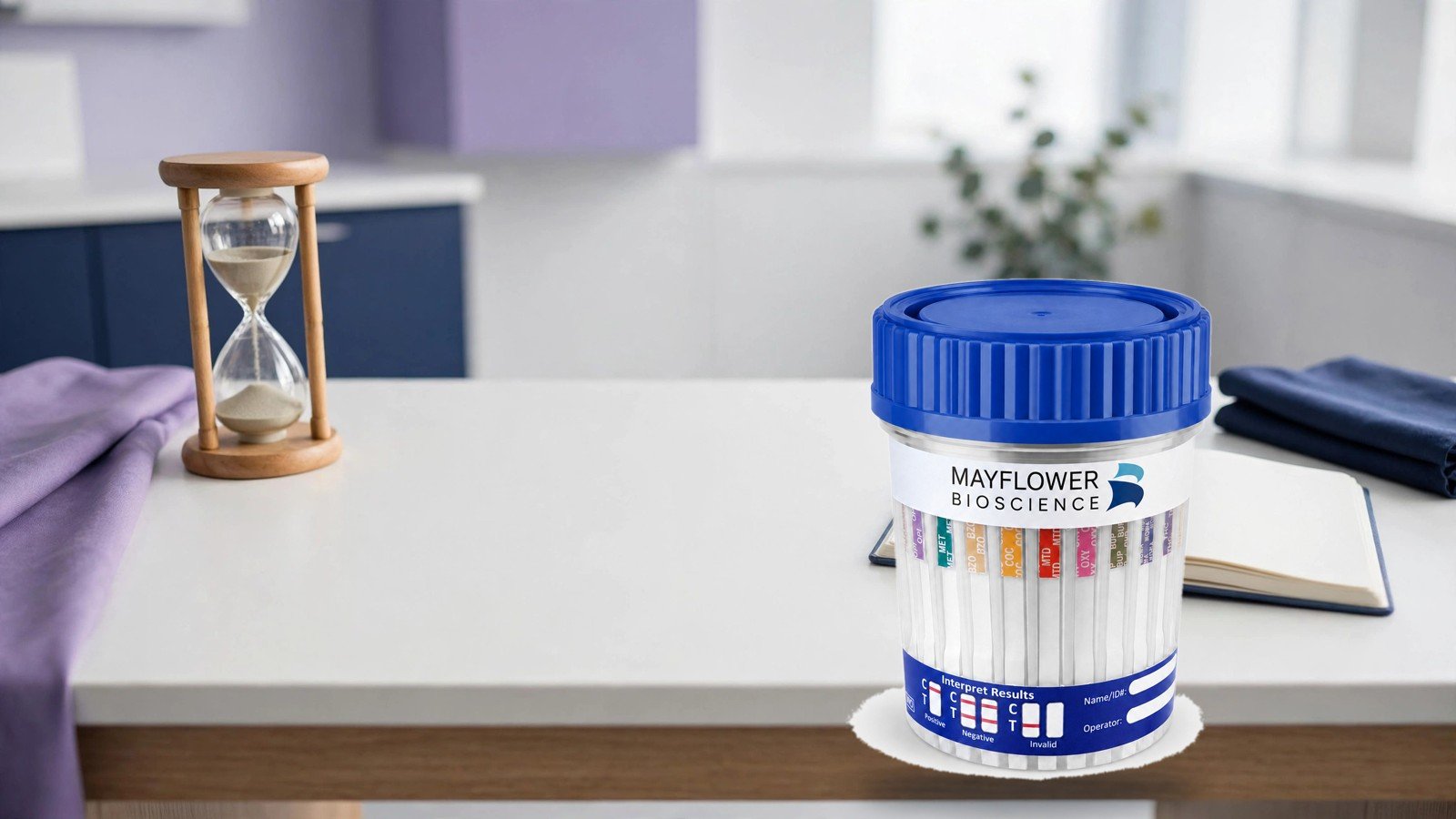
How Long Does PCP Stay in Your System? PCP (phencyclidine, commonly known as “angel dust”) stays in urine for about 7–14 days after use — one of the longest urine windows of any drug on a standard panel. Chronic heavy users can test positive for up to 30 days. PCP is fat-soluble and stored in
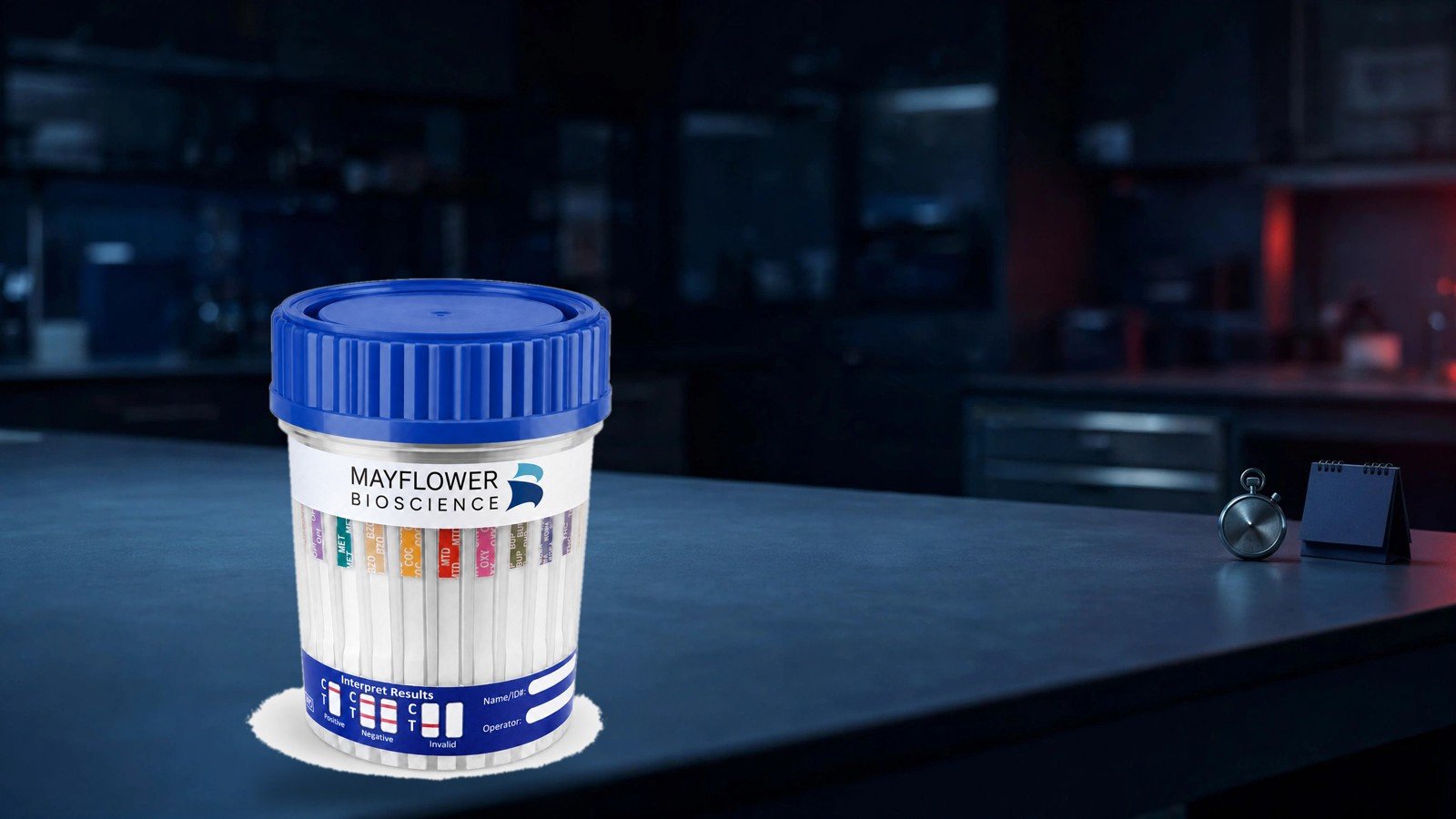
How Long Does Cocaine Stay in Your System? Cocaine stays in urine for about 2–4 days after use. Drug tests do not primarily look for cocaine itself — they detect its main metabolite, benzoylecgonine, which the liver produces and the kidneys excrete over several days. Heavy, repeated use can extend the urine window toward a
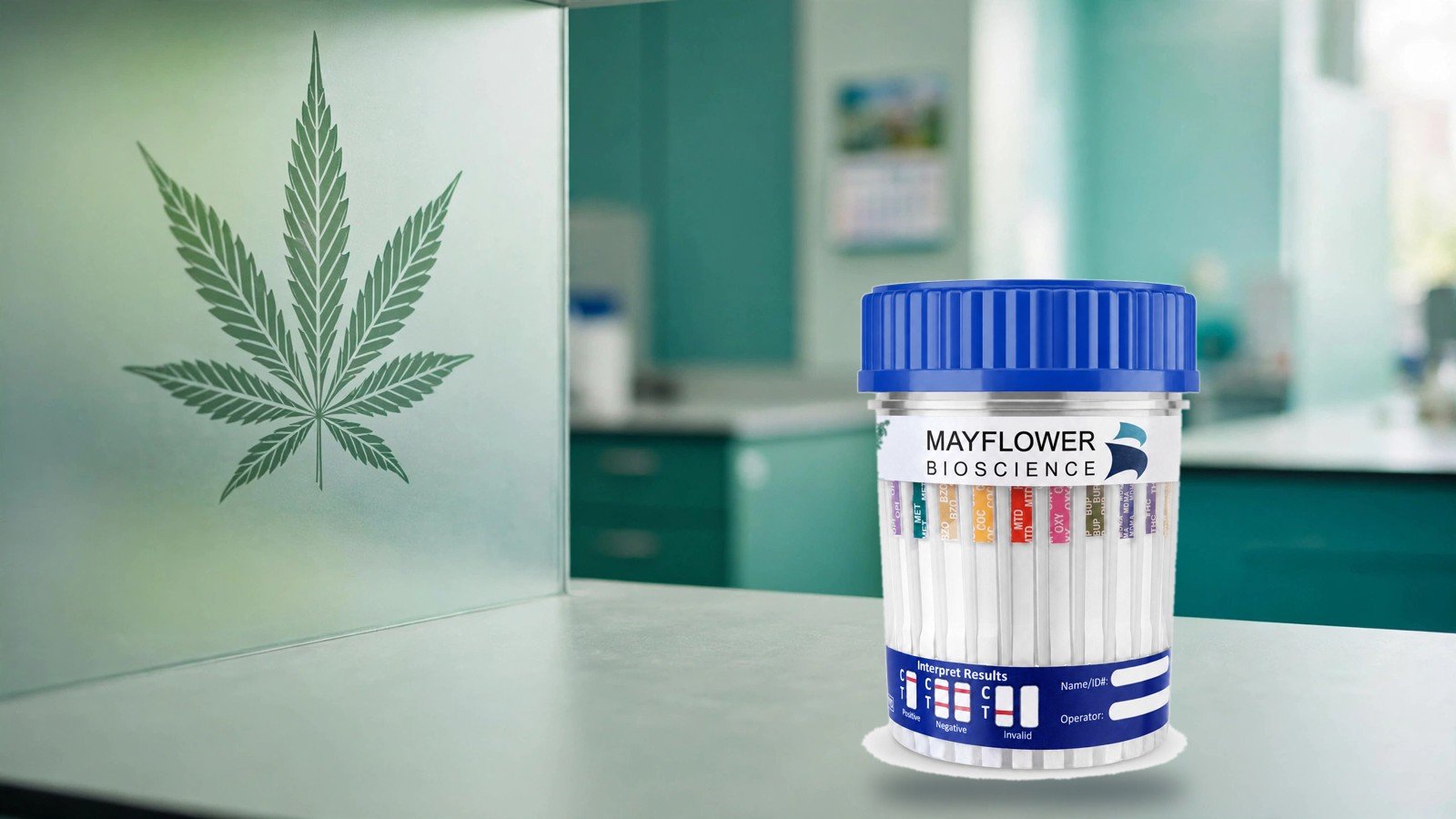
How Long Does THC Stay in Your System? THC — the psychoactive compound in marijuana — has the longest urine detection window of any commonly tested drug. A single use is typically detectable for about 3 days, occasional use for 5–7 days, regular use for 10–15 days, and daily use for 30–45 days — with