How Long Does Cocaine Stay in Your System? Benzoylecgonine Windows Explained
How Long Does Cocaine Stay in Your System?
Cocaine stays in urine for about 2–4 days after use. Drug tests do not primarily look for cocaine itself — they detect its main metabolite, benzoylecgonine, which the liver produces and the kidneys excrete over several days. Heavy, repeated use can extend the urine window toward a week. Blood and saliva windows are much shorter (1–2 days), while hair testing reaches back about 90 days.
This short window is the defining challenge of cocaine testing: a Friday-night use can be undetectable by Wednesday. This guide covers cocaine detection windows by specimen, the factors that extend them, and how testing programs design schedules that actually catch use. For all substances side by side, see the drug detection times chart.
Cocaine Detection Windows by Specimen Type
| Specimen | Detection window | What it measures |
|---|---|---|
| Urine | 2–4 days (heavy use ~7 days at the 300 ng/mL cup cutoff; up to 10–14 days reported at sensitive laboratory cutoffs) | Benzoylecgonine metabolite |
| Blood | 1–2 days | Parent cocaine (hours) + metabolite |
| Saliva | 1–2 days | Parent cocaine + metabolite |
| Hair | ~90 days | Cocaine + benzoylecgonine deposited in the hair shaft |
Cocaine’s urine window (highlighted) is one of the shortest on a standard panel — frequency of collection matters more than panel sensitivity.
Urine
Urine is the standard specimen. Benzoylecgonine appears in urine within about 2–4 hours of use and remains detectable for 2–4 days after a single use — about 7 days in heavy users at the 300 ng/mL cup cutoff, and up to 10–14 days reported in heavy chronic users at more sensitive laboratory cutoffs (see the cutoff section below).
Blood
Blood detects parent cocaine for only a few hours and benzoylecgonine for about 1–2 days. It reflects very recent use and is used mainly in clinical and forensic settings, not routine program screening.
Saliva
Saliva (oral fluid) detects cocaine and benzoylecgonine for about 1–2 days. Collection is observed and simple, but the short window limits saliva to recent-use questions.
Hair
Hair testing reaches back about 90 days, depositing cocaine and benzoylecgonine into the hair shaft as it grows. It cannot detect use from the most recent several days and requires laboratory analysis, so programs use it for look-back questions rather than routine monitoring.
What Affects How Long Cocaine Stays in Your System?
Half-life. Cocaine itself has a half-life of only about 1 hour (roughly 0.7–1.5 hours) — it is metabolised by blood and liver enzymes almost immediately. Benzoylecgonine, the metabolite urine tests target, has a much longer half-life (roughly 6–12 hours), and that gap between the parent drug and its metabolite is the entire reason a 1-hour drug produces a 2–4 day urine window.
Dose and frequency. A single small use clears toward the 2-day end; binge patterns saturate metabolism and push benzoylecgonine excretion toward 4 days or beyond.
Cocaethylene: When Cocaine and Alcohol Combine
When cocaine and alcohol are used together, the liver produces cocaethylene, an active metabolite with a half-life of about 2 hours — roughly twice cocaine’s ~1 hour — that persists longer than benzoylecgonine and is associated with greater cardiac toxicity. Programs monitoring cocaine use often pair the COC strip with an ETG alcohol panel for exactly this reason. The National Institute on Drug Abuse covers cocaine’s pharmacology in its cocaine drug facts.
Route of administration. How cocaine is taken changes how long it persists. Snorted or gummed (rubbed on the gums) cocaine is absorbed more slowly through the nasal and oral mucosa and its effects — and metabolite production — last longer; smoked or injected cocaine peaks and clears faster. Route changes onset and duration more than it changes the total urine window, which stays in the 2–4 day range for a single use.
Purity. Higher-purity cocaine delivers more drug per dose, producing more benzoylecgonine for the kidneys to clear and pushing detection toward the long end of the range. Lower-purity product delivers less cocaine per use. Binge re-dosing has the same effect as a larger, purer dose: it restarts the clearance clock with each use.
Cutoff concentration. MayFlower cups screen benzoylecgonine at 300 ng/mL; the federal workplace initial cutoff is 150 ng/mL with confirmation at 100 ng/mL. A lower cutoff extends the practical window — the same specimen can be negative on a 300 ng/mL cup on day 4 and positive in a 150 ng/mL laboratory screen.
This cutoff difference also reconciles the heavy-use ceiling quoted across the web: about 7 days is the realistic ceiling at the 300 ng/mL cup cutoff, while the 10–14 day figures quoted by many guides reflect heavy chronic use measured at more sensitive laboratory cutoffs. Neither number is wrong — they are answers at different thresholds. See drug test cutoff levels explained for how cutoffs change every detection window.
Individual metabolism. Liver enzyme activity, kidney function, urine pH, and hydration all shift excretion rates modestly. None changes the fundamental picture: cocaine is a short-window drug.
How Programs Catch a 2–4 Day Drug
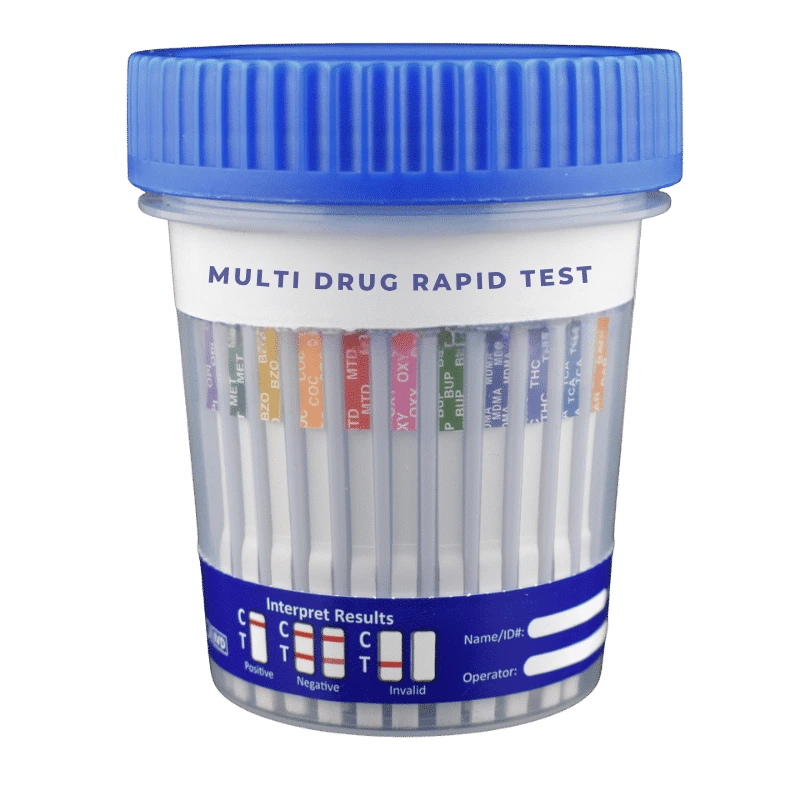
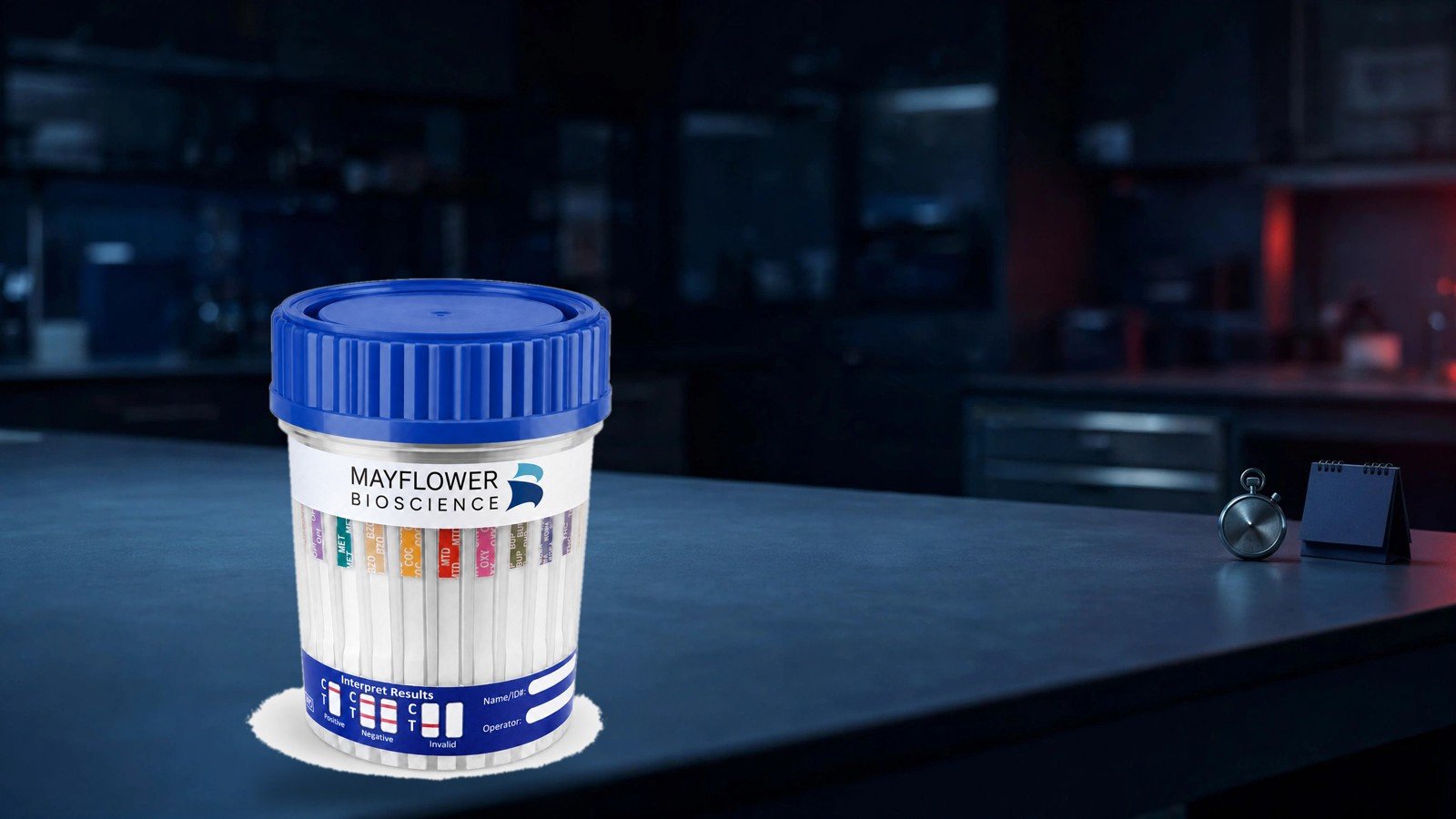
Cadence beats sensitivity. Courts, probation departments, and treatment programs test for cocaine with frequent, randomized collection — typically at least twice weekly with unpredictable days — because a predictable weekly schedule leaves a 3-day blind spot every cycle. The opposite scheduling problem applies to PCP, whose 7–14 day urine window survives weekly testing — cadence decisions are always drug-specific. Point-of-care cups make this economically feasible: a 14 panel cup returns a cocaine result in about 5 minutes at the point of supervision, and only preliminary positives consume laboratory confirmation budget.
Cocaine (COC) is a standard strip on every MayFlower configuration — 12 panel, 14 panel, and 16 panel — screened alongside THC, opiates, amphetamines, and the expanded analytes each configuration adds.
Programs sourcing cups for frequent collection can order through MayFlower’s wholesale drug test supplies range, with volume pricing on all three configurations.
Frequently Asked Questions
How long does cocaine stay in your urine after one use?
A single use is typically detectable in urine for 2–4 days. The test detects benzoylecgonine, cocaine’s main metabolite, not the parent drug. Larger doses and binge use extend excretion toward a week in heavy users.
What metabolite does a cocaine drug test detect?
Urine cocaine screens target benzoylecgonine, produced when the liver metabolizes cocaine. Benzoylecgonine is excreted over 2–4 days, much longer than parent cocaine remains in blood (hours to about a day), which is why urine is the standard screening specimen.
What is the cocaine cutoff level on a drug test?
MayFlower multi-panel cups screen benzoylecgonine at 300 ng/mL. The federal workplace program uses an initial cutoff of 150 ng/mL and a confirmation cutoff of 100 ng/mL by GC-MS or LC-MS/MS. Lower cutoffs detect use for longer, so results are only comparable at equal thresholds. See drug test cutoff levels explained for the full cup-versus-laboratory comparison.
Does drinking alcohol with cocaine change the detection window?
Yes. Alcohol and cocaine together produce cocaethylene in the liver, an active metabolite with a half-life of about 2 hours — roughly twice cocaine’s ~1 hour — that persists longer than benzoylecgonine and increases toxicity. Programs that monitor cocaine use often add an ETG alcohol panel to catch the drinking that frequently accompanies it.
How long does cocaine stay in blood, saliva, and hair?
Blood: about 1–2 days (parent cocaine only hours). Saliva: about 1–2 days. Hair: approximately 90 days, the longest window, though hair testing cannot detect the most recent few days of use and requires a laboratory. See the detection times chart for all substances.
Can cocaine show up on a drug test after 7 days?
For a single or occasional use, generally no — the urine window closes around day 4. Heavy chronic users can remain above the cutoff for about 7 days at the 300 ng/mL cup cutoff used on rapid cups, and up to 10–14 days has been reported in heavy chronic users at the more sensitive 150 ng/mL laboratory cutoff. The ceiling is therefore cutoff-dependent, not a single number. A positive well beyond two weeks usually reflects more recent use.
Can anything cause a false positive for cocaine?
Cocaine immunoassays are among the most specific screening strips — very few substances cross-react. Historically, coca-leaf teas can produce genuine benzoylecgonine positives. Any disputed result should be confirmed by GC-MS or LC-MS/MS, which identifies benzoylecgonine definitively before consequences follow.
How soon after use can a urine test detect cocaine?
Benzoylecgonine typically appears in urine within about 2–4 hours of use and peaks within the first day. Same-day collection after suspected use is therefore effective, unlike hair testing, which misses the most recent days entirely.
Does crack cocaine stay in your system longer than powder cocaine?
No. Crack is cocaine in its smokable base form; powder is cocaine hydrochloride. Both are metabolised by the liver to the same benzoylecgonine that drug tests detect, and both produce a similar 2–4 day urine window. The route changes how fast effects start and how long they last — smoked crack acts in seconds and fades quickly, snorted powder lasts longer — but it does not materially change the detection timeline.
Can exercise, detox drinks, or sweating remove cocaine faster?
No reliable method exists. Benzoylecgonine is cleared by liver enzymes and the kidneys at a pace those products do not change. Drinking large amounts of water only dilutes the specimen — which validity checks flag for recollection — and exercise and sweating do not meaningfully accelerate metabolite clearance. Time since last use is the only dependable variable.