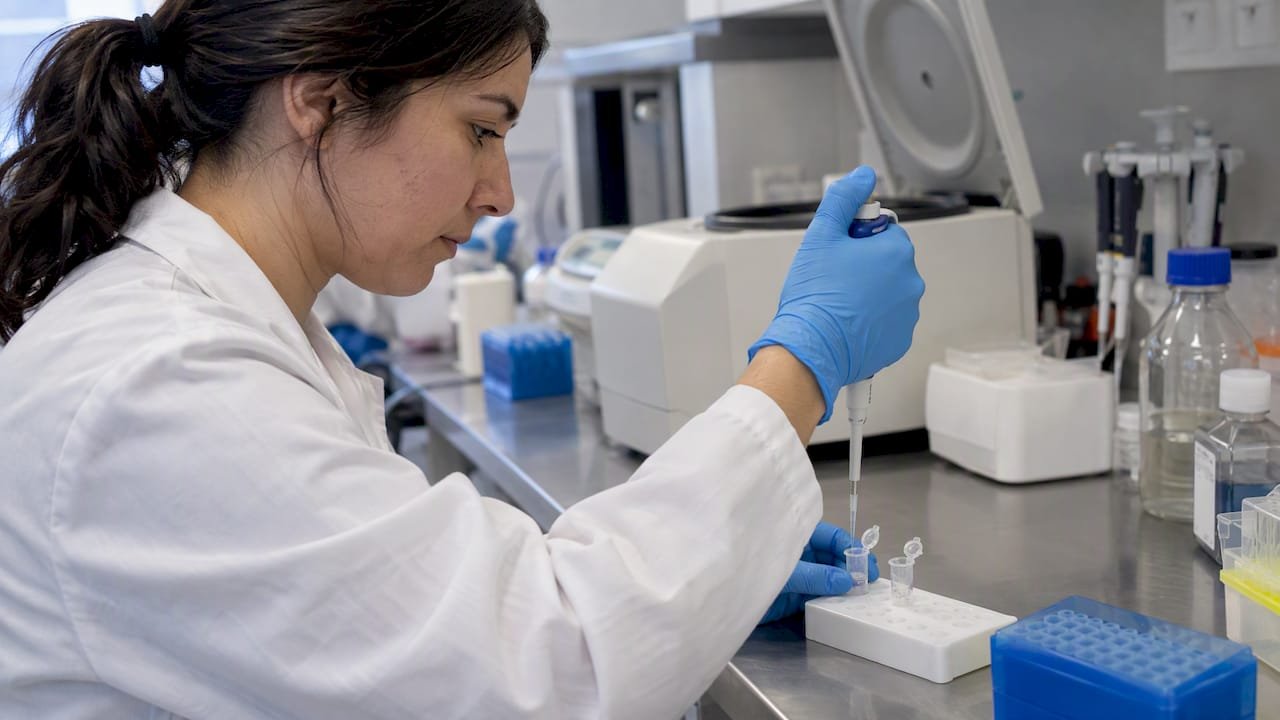
CUT&RUN vs. CUT&Tag for Labs: Target Fit at 100 Cells
Choose CUT&Tag for histone marks and low input, or CUT&RUN for transcription factors and broad domains. Compare target biology, cell needs, and lab support.

Choose CUT&Tag for histone marks and low input, or CUT&RUN for transcription factors and broad domains. Compare target biology, cell needs, and lab support.
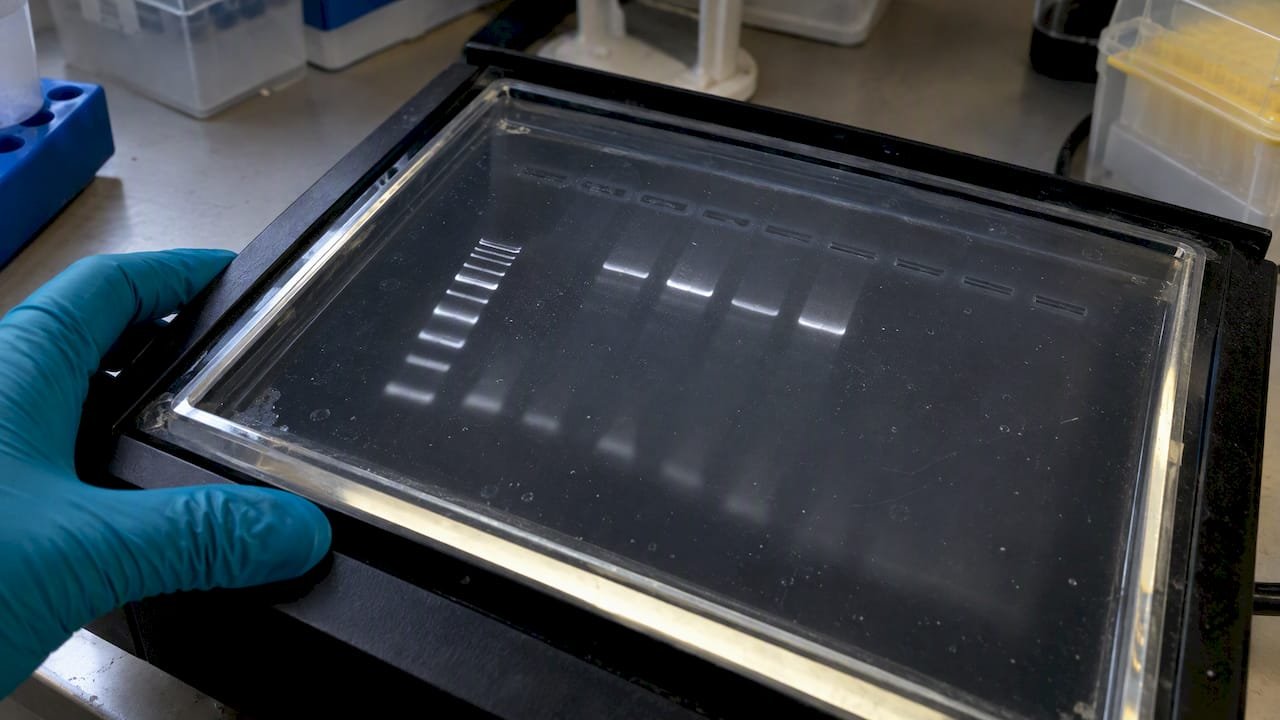
Spot primer dimers with melt curves and no template controls, then use ΔG design checks and a focused bench matrix to troubleshoot qPCR efficiently.
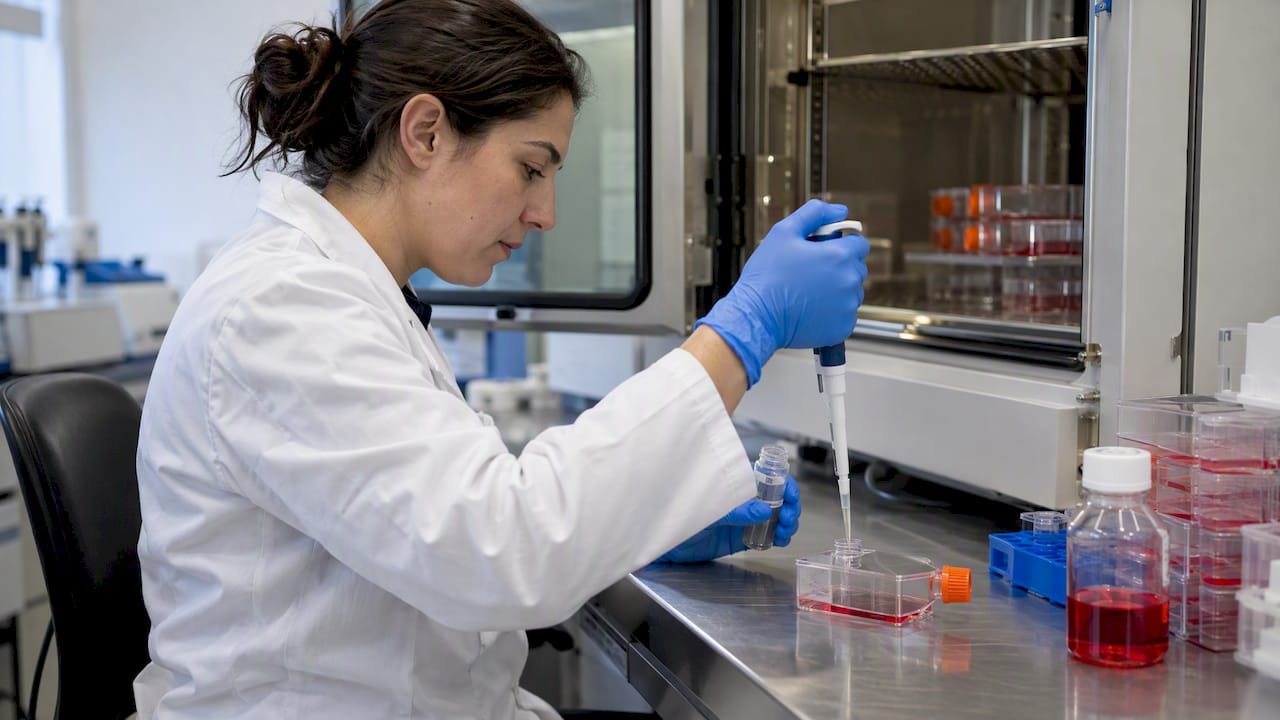
Compare six viral vector enhancers for safety, cell health, and transduction. Use titration and viability checks to guide safer protocol choices.
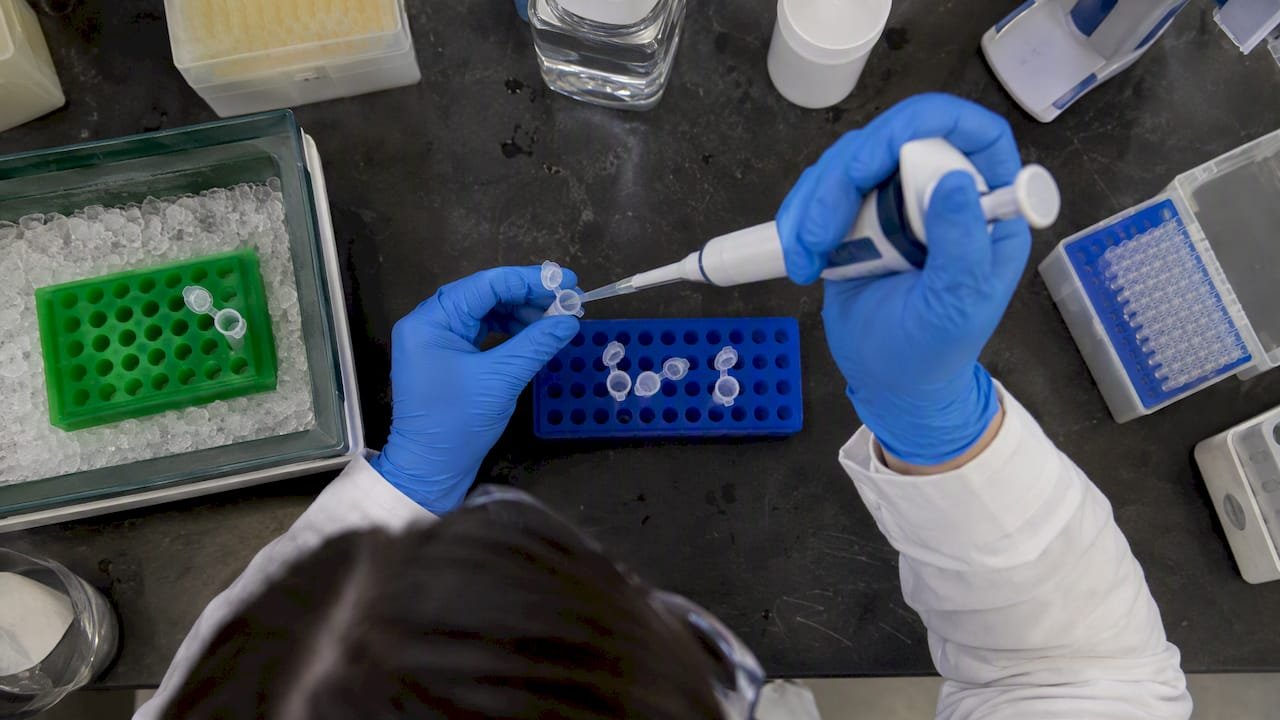
Bench-ready ChIP input guidance for US labs: map 50,000–10,000,000 cells to chromatin mass, reserve 1%–20% as Input, and plan sequencing depth.
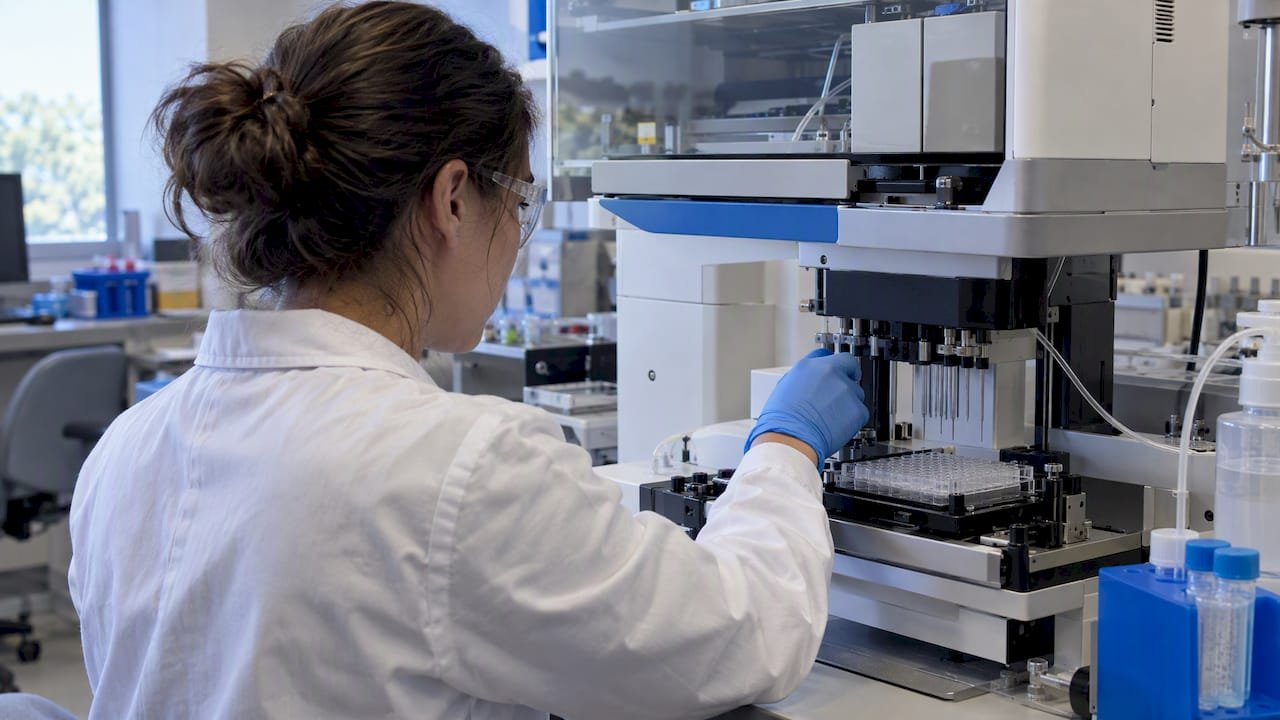
Map hERG assay methods to ICH S7B. Compare patch clamp, APC, and flux assays, and access Mayflower cell lines or TED and COD capable testing.
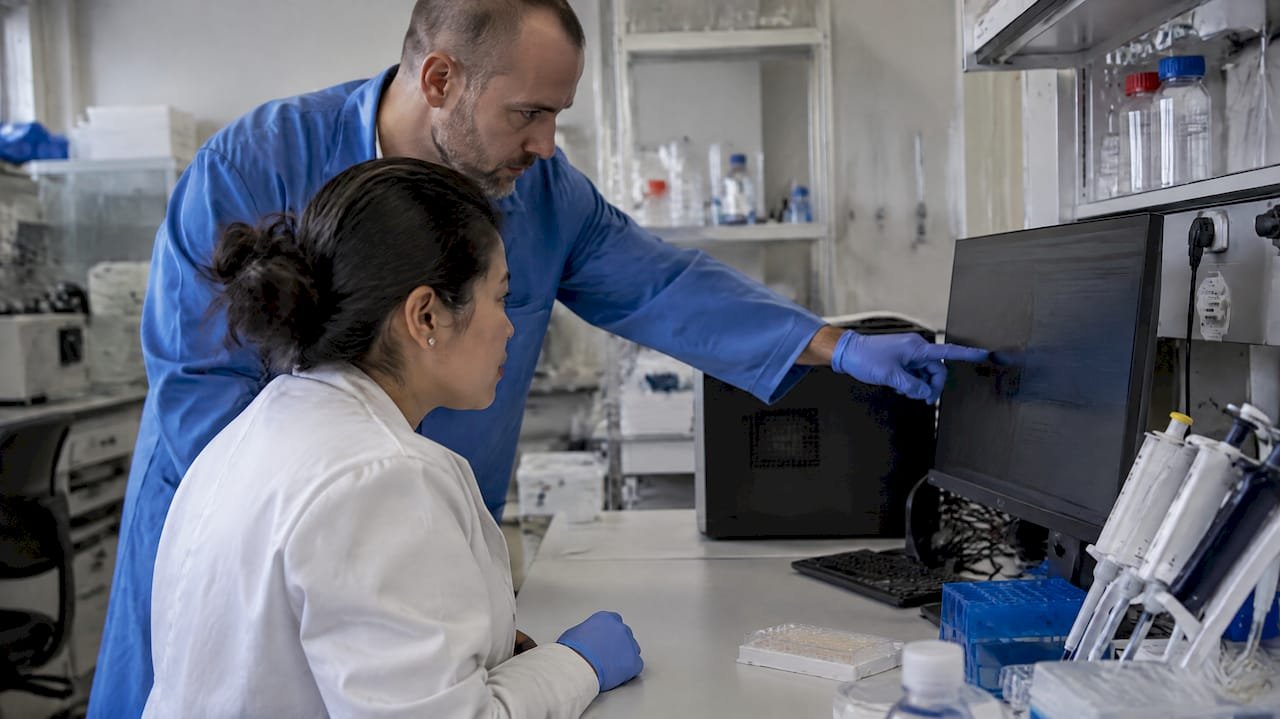
Pick 4PL or 5PL for ELISA and multiplex assays with FDA M10 in mind. Use 5PL only when consistent asymmetry and six nonzero calibrators exist.
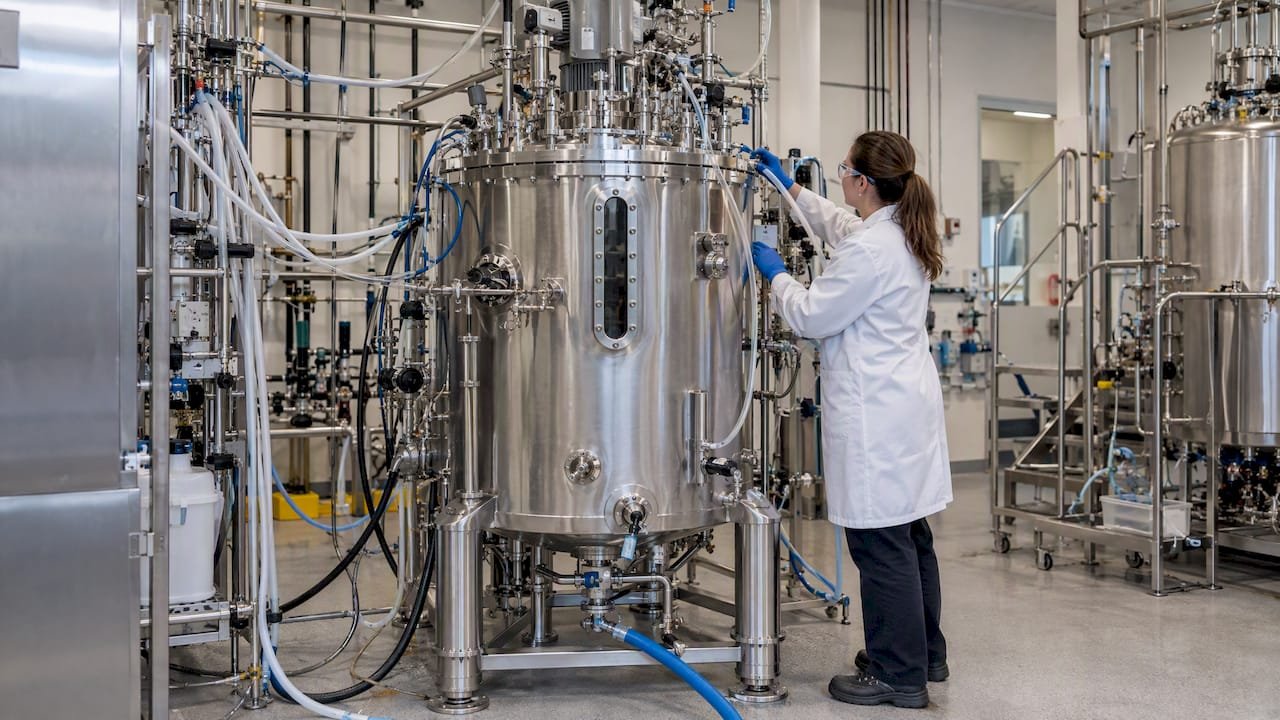
Practical engineering steps for process developers to preserve CQAs when scaling cell culture: plan comparability before pivotal studies, qualify an SDM,…
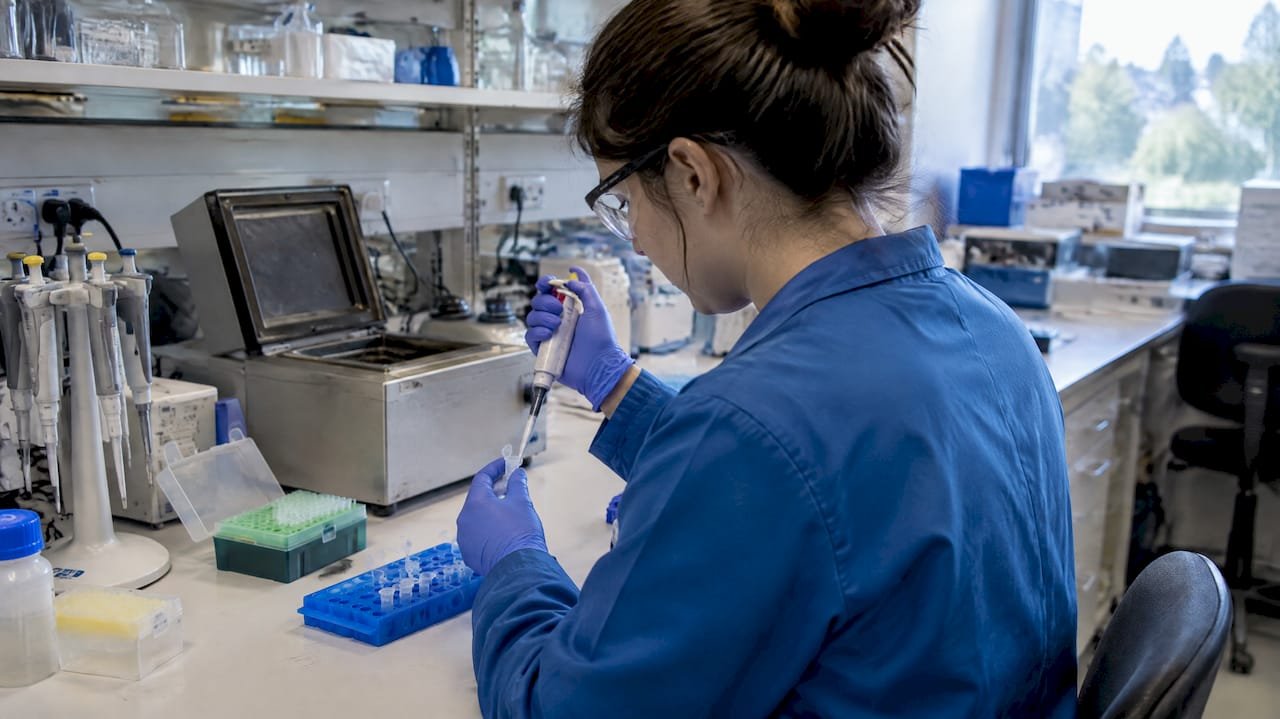
Bench-first ChIP troubleshooting that prioritizes chromatin QC, antibody validation, and controls. Practical bench checks, validation sources, and quick…
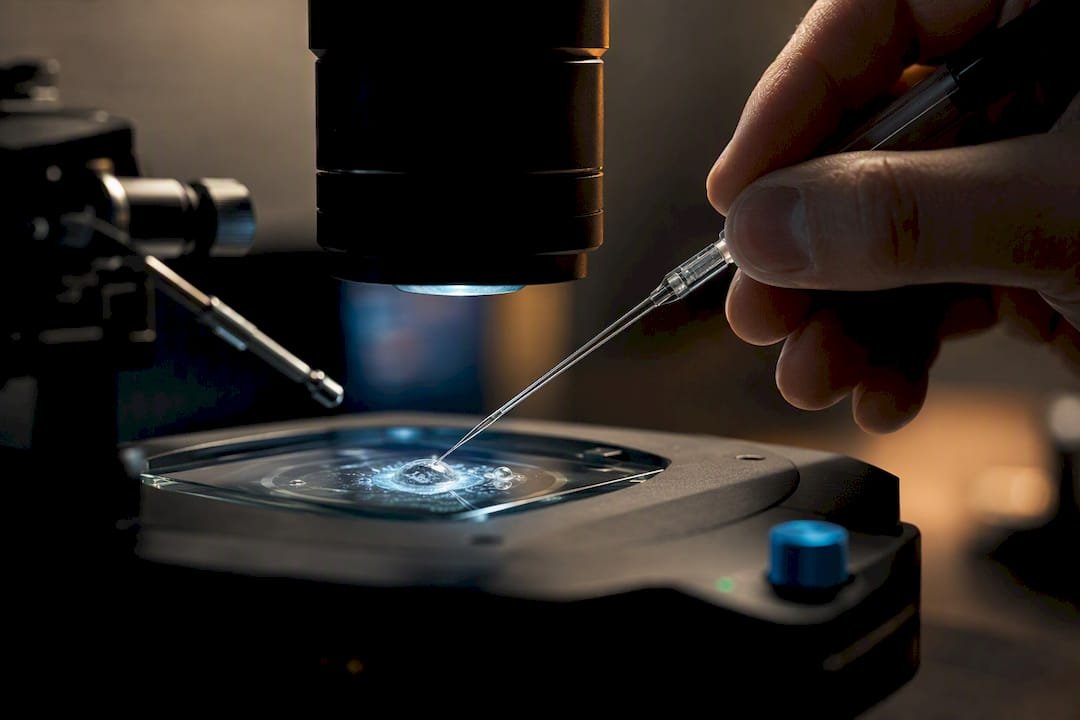
Six lab steps to align your hERG assay with FDA and ICH S7B/E14: temperature control, concentration verification, and IC50 reporting with confidence…
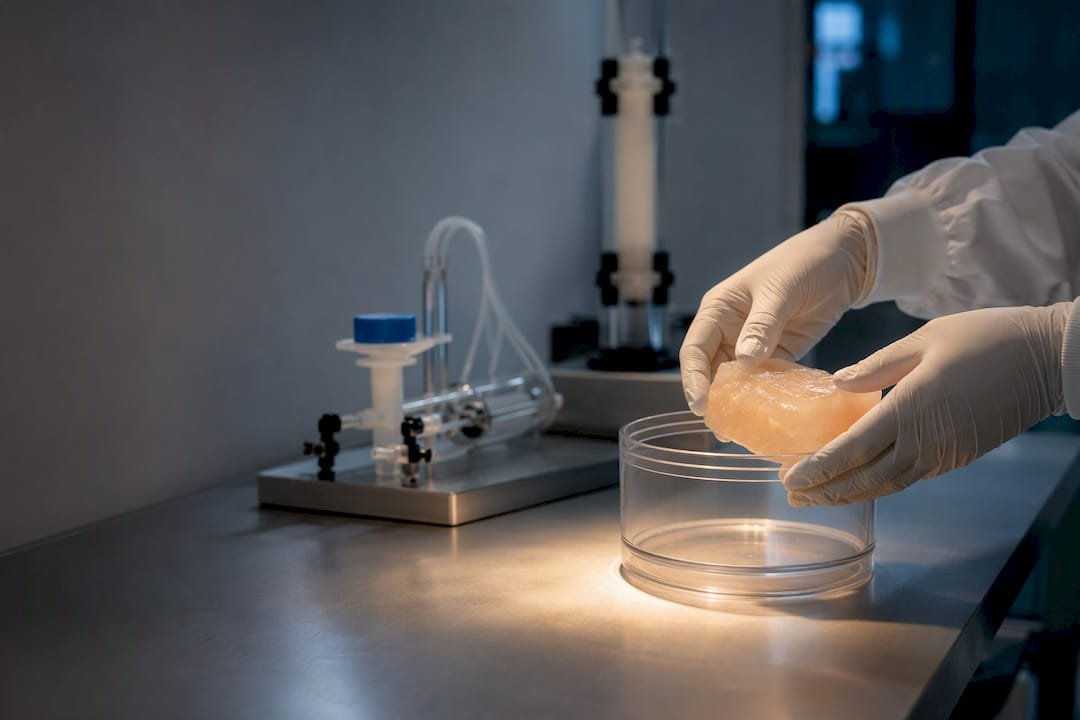
Increase exosome yield up to 20× for labs with 3D/bioreactor culture plus TFF→SEC. Validate gains under MISEV2023 and focus on usable purity.




